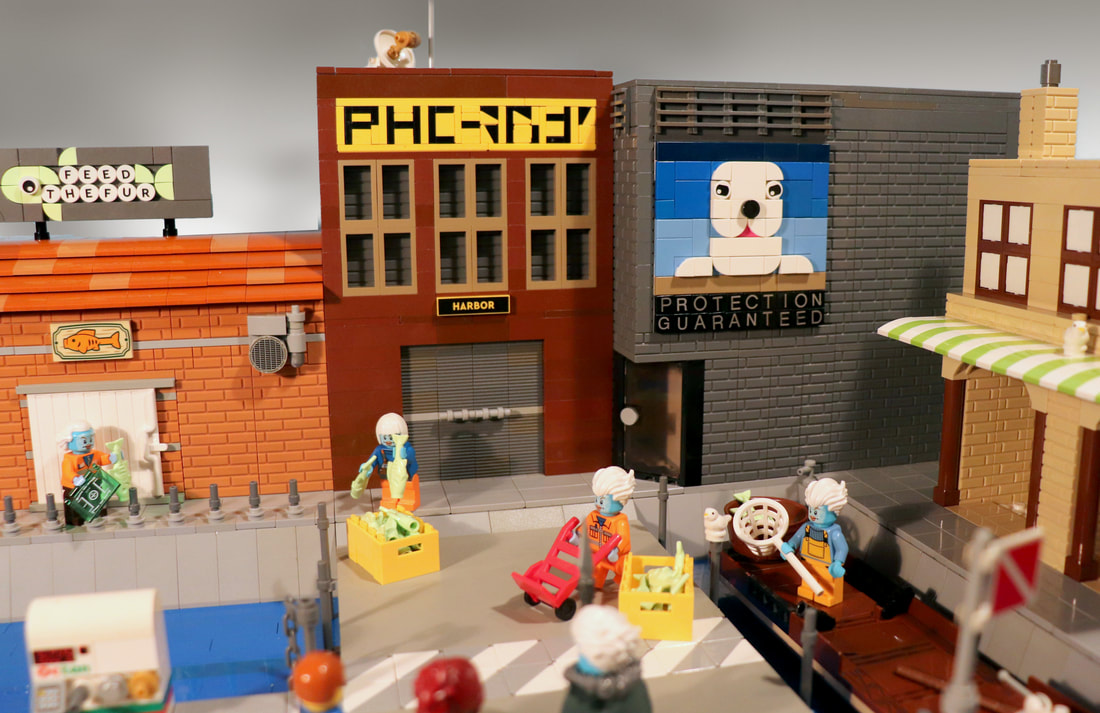
There are billions of stars, millions of planets, but there is only one man, Terrance McDoogal. Welcome to LIU Atlas.
LIU Atlas - Phocis
The Ludgonian Industrial Union's galaxy contains billions of stars and billions of planets. Unfortunately, most residents of the LIU could only name a handful of these worlds. In order to improve astronomy grades across the LIU, TV2 has started a new program called LIU Atlas. Follow our host, Terrance McDoogal, as he takes you on a tour across the LIU and some of its more obscure worlds.
Note: This episode is presented in full screen. The corresponding dialogue is underneath each photo.
Note: This episode is presented in full screen. The corresponding dialogue is underneath each photo.
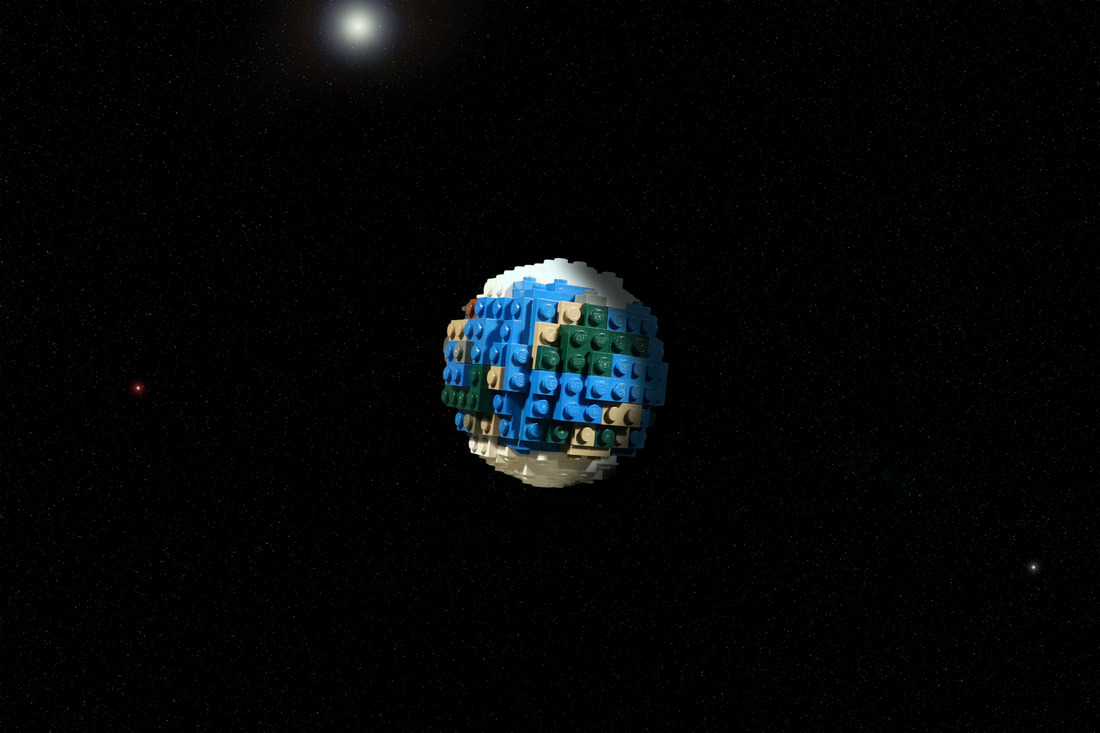
Doog: “Welcome to another episode of LIU Atlas. I’m your host, Terrance “Doog” McDoogal. Today, we’re visiting the planet, Phocis. Phocis orbits near the outer edge of its star’s habitable zone, giving it cooler-than-average global temperatures. This is most noticeable near the planet’s massive icecaps. I’m told Phocis’ equator and tropics are a little warmer, and that’s where we’re headed. Let’s go.”
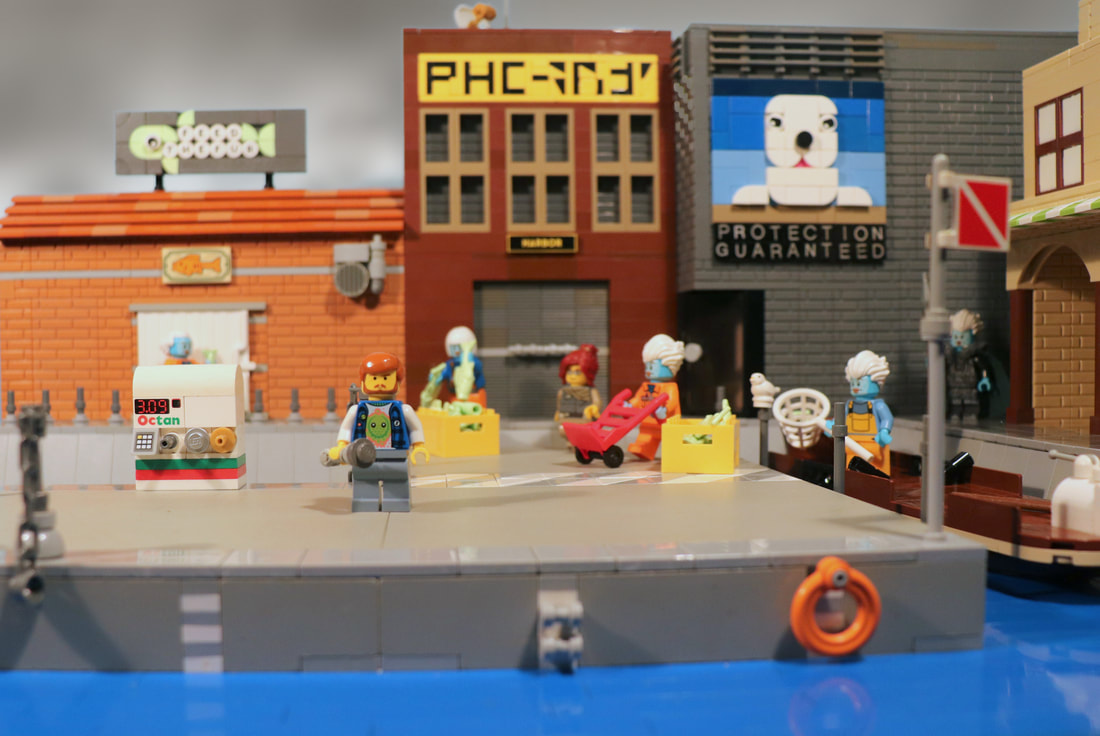
Doog: “Alright folks, I’ve been dropped off on a dock in the factory town, Scoresby. This whole settlement is devoted to manufacturing a single product. I’m not exactly sure what that product is, but I have a few guesses. The smell and boats make me lean towards some type of fish product. I mean, the crates of fish are a pretty big giveaway. I am a little perplexed by the seal sign, though.”
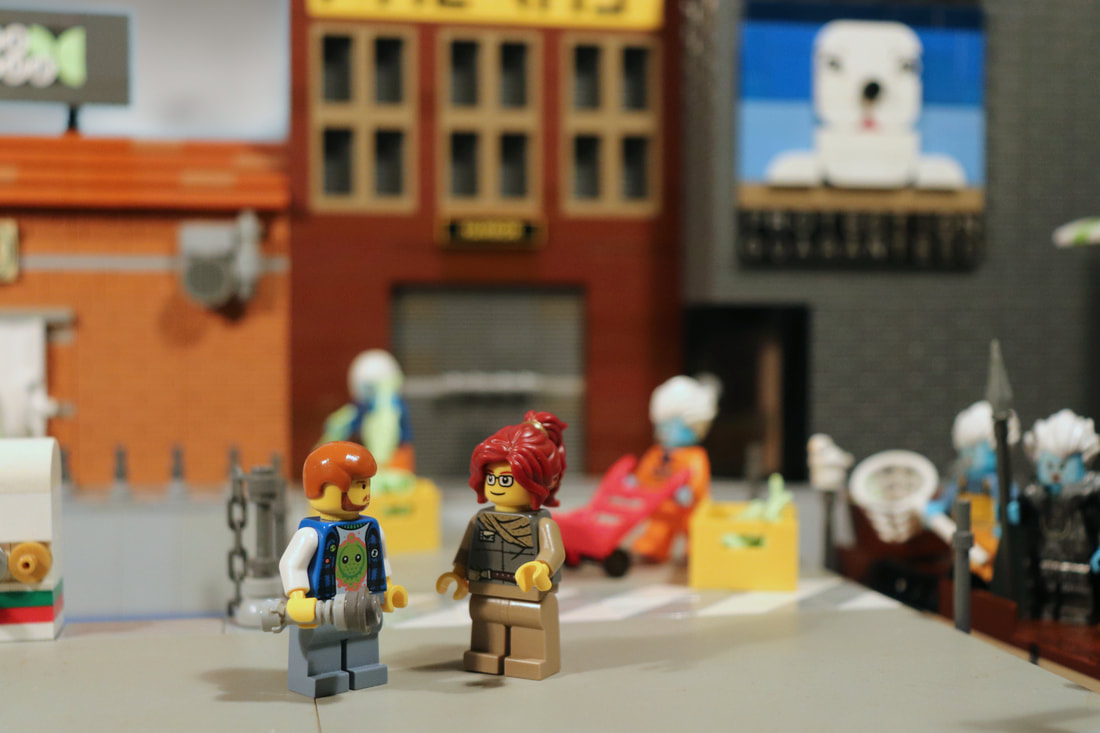
Erin: “Hello! I’m Dr. Erin Calder, but, please, call me Erin. My doctorates are in zoology and industrial systems engineering, not medicine. It feels weird to be called a doctor under those circumstances. If you were wondering, my zoology doctorate specialized in xenomarine mammalogy, while my systems engineering doctorate had an emphasis on biological production optimization. Although, technically, my first dissertation focused primarily on…”
Doog: “I’m Doog.”
Erin: “Nice to meet you Doog.”
Doog: “You seem smart.”
Erin: “Thanks!”
Doog: “That might be a problem…because I’m not.”
Erin: “Don’t say that.”
Doog: “It’s true. Maybe try to keep things a bit simpler.”
Erin: “Ah, of course.”
Doog: “What do you make with the fish?”
Erin: “The fish are just the beginning of our established production model. They…”
Doog: “I’m Doog.”
Erin: “Nice to meet you Doog.”
Doog: “You seem smart.”
Erin: “Thanks!”
Doog: “That might be a problem…because I’m not.”
Erin: “Don’t say that.”
Doog: “It’s true. Maybe try to keep things a bit simpler.”
Erin: “Ah, of course.”
Doog: “What do you make with the fish?”
Erin: “The fish are just the beginning of our established production model. They…”
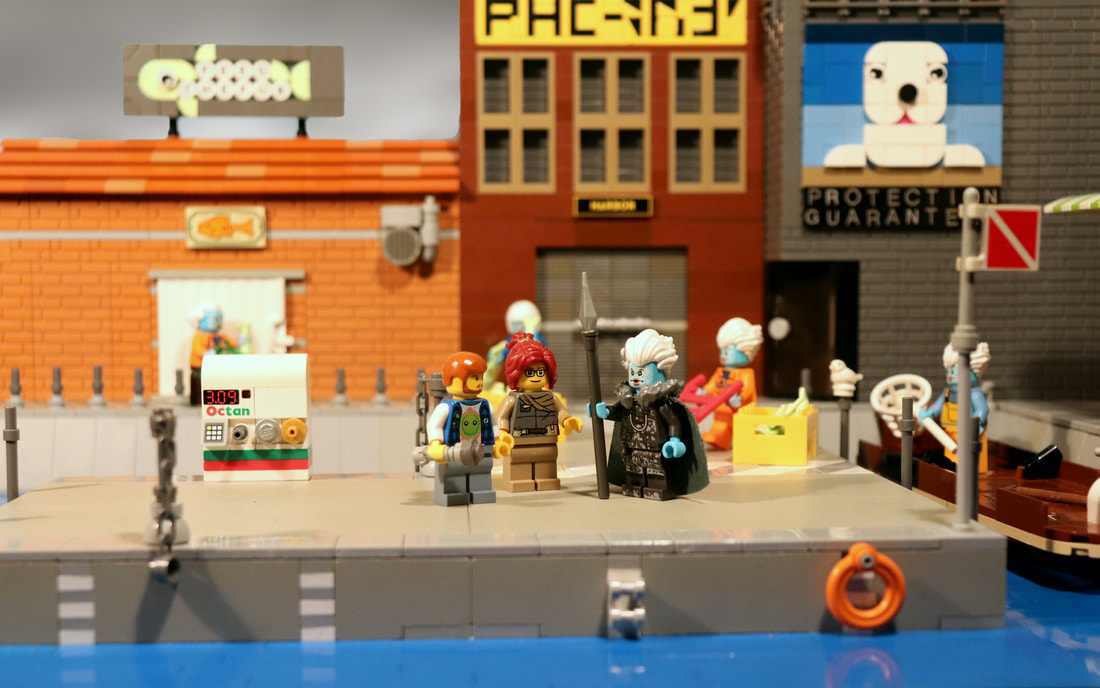
Kor: “You learn fast not to ask Erin such open-ended questions. Phocis makes things from seals. The fish feed the seals. Nothing more.”
Doog: “I like this guy.”
Erin: “Hi, Kor!”
Doog: “Tell me this guy is coming with us.”
Erin: “Yes. Kor puts all my book smarts to shame. He’s…”
Kor: “I know seals. I hunt seals. I’m wearing a seal. Enough said.”
Doog: “I like this guy.”
Erin: “Hi, Kor!”
Doog: “Tell me this guy is coming with us.”
Erin: “Yes. Kor puts all my book smarts to shame. He’s…”
Kor: “I know seals. I hunt seals. I’m wearing a seal. Enough said.”
Doog: “So, the fish are caught to feed seals. That makes the signage make more sense.”
Erin: “Everything in Scoresby is structured around seal production, specifically the Greater Phocian Seal. They’re easily distinguished from other members of the Phocian pinniped clade by their elongated posterior flippers, reduced interdigital separation, proportionally broader cranium, and a vertebral count of between forty-one and forty-three. Mature specimens also develop a pronounced sagittal ridge just behind the orbital cavity, although that's difficult to identify without either close examination or comparative imaging.”
Doog: “…”
Kor: “We have lots of seals, but this town is mostly interested in the big, white ones.”
Doog: “Thanks Kor.”
Erin: “Those are also reliable indicators.”
Kor: “Also, we call them Oru. Faster to say than Greater Phocian Seal. Erin did not learn that in optimization class.”
Erin: “I’m sticking to approved LIU naming rules, Kor. Anyway, Scoresby is essentially one interconnected production system. Nearly every business you see supports the seal industry in some way. The fishing crews supply feed, the docks service the hunting and transport vessels, the fuel stations keep those vessels operating, and the repair shops maintain them. Once the seals are processed, other crews package the finished products, warehouse them, and transport them offworld. Even the businesses that don't handle seals directly generally exist because they provide something needed by a business that does.”
Doog: “I understood most of that. Anything to add, Kor?”
Kor: “She speaks truth.”
Doog: “Wow, you got Kor approval.”
Erin: “I often get Kor approval, thank you.”
Kor: “No.”
Erin: “Everything in Scoresby is structured around seal production, specifically the Greater Phocian Seal. They’re easily distinguished from other members of the Phocian pinniped clade by their elongated posterior flippers, reduced interdigital separation, proportionally broader cranium, and a vertebral count of between forty-one and forty-three. Mature specimens also develop a pronounced sagittal ridge just behind the orbital cavity, although that's difficult to identify without either close examination or comparative imaging.”
Doog: “…”
Kor: “We have lots of seals, but this town is mostly interested in the big, white ones.”
Doog: “Thanks Kor.”
Erin: “Those are also reliable indicators.”
Kor: “Also, we call them Oru. Faster to say than Greater Phocian Seal. Erin did not learn that in optimization class.”
Erin: “I’m sticking to approved LIU naming rules, Kor. Anyway, Scoresby is essentially one interconnected production system. Nearly every business you see supports the seal industry in some way. The fishing crews supply feed, the docks service the hunting and transport vessels, the fuel stations keep those vessels operating, and the repair shops maintain them. Once the seals are processed, other crews package the finished products, warehouse them, and transport them offworld. Even the businesses that don't handle seals directly generally exist because they provide something needed by a business that does.”
Doog: “I understood most of that. Anything to add, Kor?”
Kor: “She speaks truth.”
Doog: “Wow, you got Kor approval.”
Erin: “I often get Kor approval, thank you.”
Kor: “No.”
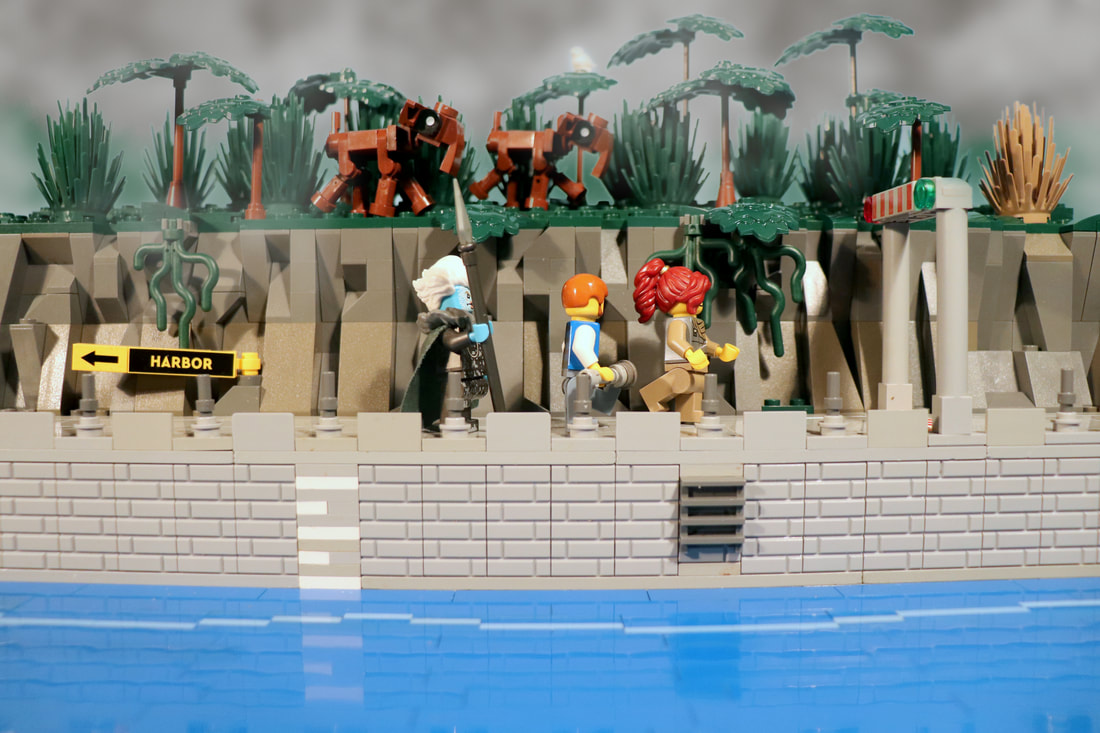
Erin: “Scoresby occupies most of Oruva Island's southeastern coast, but the city is divided into specialized production zones. The harbor concentrates fuel storage, fishing operations, vessel maintenance, offworld transport, and heavy processing at the western end. Greater Phocian breeding requires substantially tighter environmental controls, particularly during early development. The nursery zones need shallow water, minimal chemical contamination, low mechanical disturbance, controlled temperatures, and continuous circulation of clean seawater. So, rather than trying to maintain those conditions alongside an industrial harbor, Scoresby simply separated the two.”
Kor: “Boats and fuel are dirty. Oru grow better farther from the city center. That’s why we walk.”
Doog: “I understood nothing until Kor chimed in. He speaks my language.”
Kor: “Boats and fuel are dirty. Oru grow better farther from the city center. That’s why we walk.”
Doog: “I understood nothing until Kor chimed in. He speaks my language.”
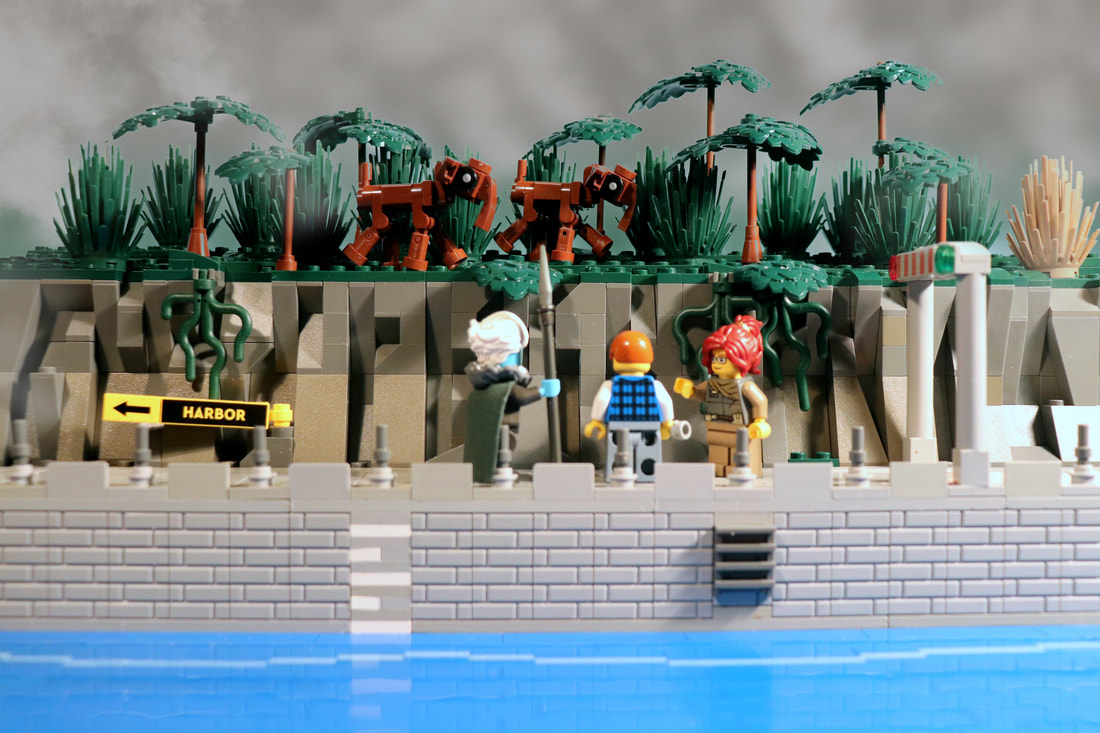
Doog: “Wait, those aren’t seals.”
Kor: “Truth spoken.”
Kor: “Truth spoken.”
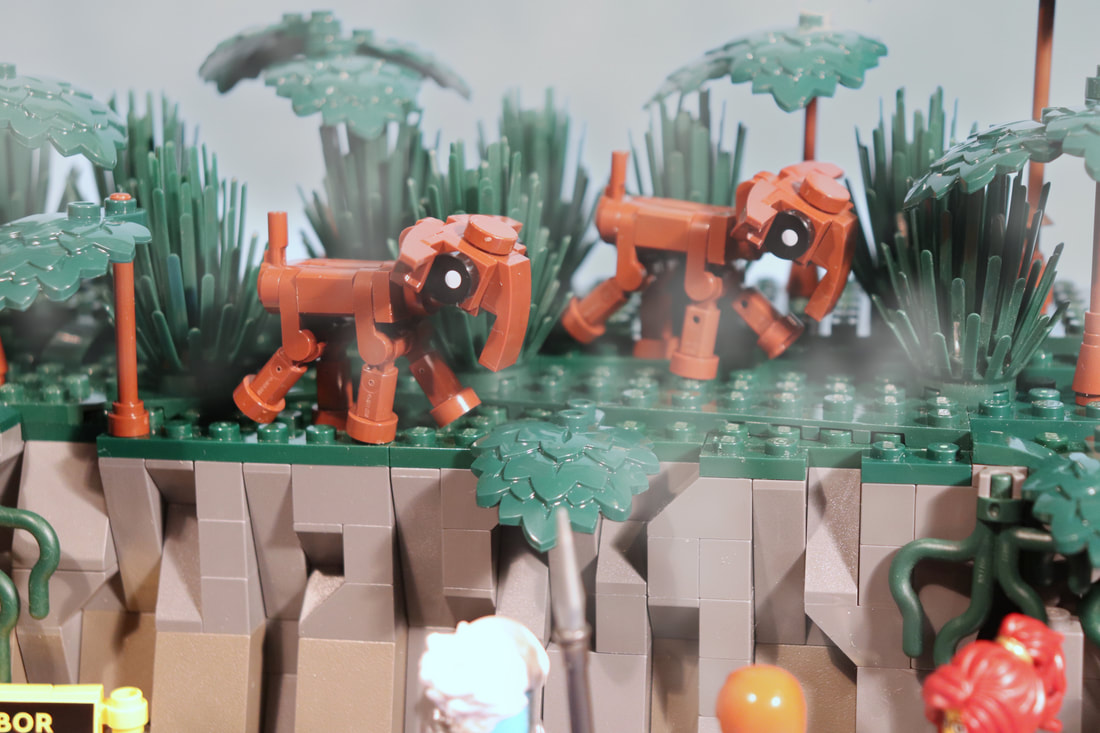
Erin: “Those are Phocian Deer. They're one of Oruva's largest terrestrial herbivores, although ‘deer’, in their case, is purely a morphological designation. They're not closely related to any recognized cervid lineage. You'll notice the elongated forelimbs, shortened metatarsal structure, and unusually low placement of the head. That's an adaptation for browsing both ground vegetation and…”
Kor: “Ruk. They are called Ruk. Not seals. Not important.”
Doog: “Forgetting them immediately.”
Erin: “Not quite so fast. They’re a perfectly viable species. Their problem is the relatively high concentration of fibrous connective tissues in their system, plus their unique diet. Several dietary compounds generate an unusually persistent…”
Kor: “Meat too stringy. No fur. Smells like wet shoes. We don’t like. LIU no like.”
Erin: “LIU might like, eventually. It’s undetermined. Ruk, uh…Phocian Deer, warrant further commercial evaluation. With selective breeding, dietary supplementation, and perhaps some targeted modification of muscle-fiber density, it's conceivable that we could develop another viable meat-providing target. The lack of usable fur is unfortunate, but nutritionally…”
Kor: ‘No.”
Erin: “You know seals, not galactically viable meat sources.”
Kor: “Take that back. I know meat. Ruk not good.”
Kor: “Ruk. They are called Ruk. Not seals. Not important.”
Doog: “Forgetting them immediately.”
Erin: “Not quite so fast. They’re a perfectly viable species. Their problem is the relatively high concentration of fibrous connective tissues in their system, plus their unique diet. Several dietary compounds generate an unusually persistent…”
Kor: “Meat too stringy. No fur. Smells like wet shoes. We don’t like. LIU no like.”
Erin: “LIU might like, eventually. It’s undetermined. Ruk, uh…Phocian Deer, warrant further commercial evaluation. With selective breeding, dietary supplementation, and perhaps some targeted modification of muscle-fiber density, it's conceivable that we could develop another viable meat-providing target. The lack of usable fur is unfortunate, but nutritionally…”
Kor: ‘No.”
Erin: “You know seals, not galactically viable meat sources.”
Kor: “Take that back. I know meat. Ruk not good.”
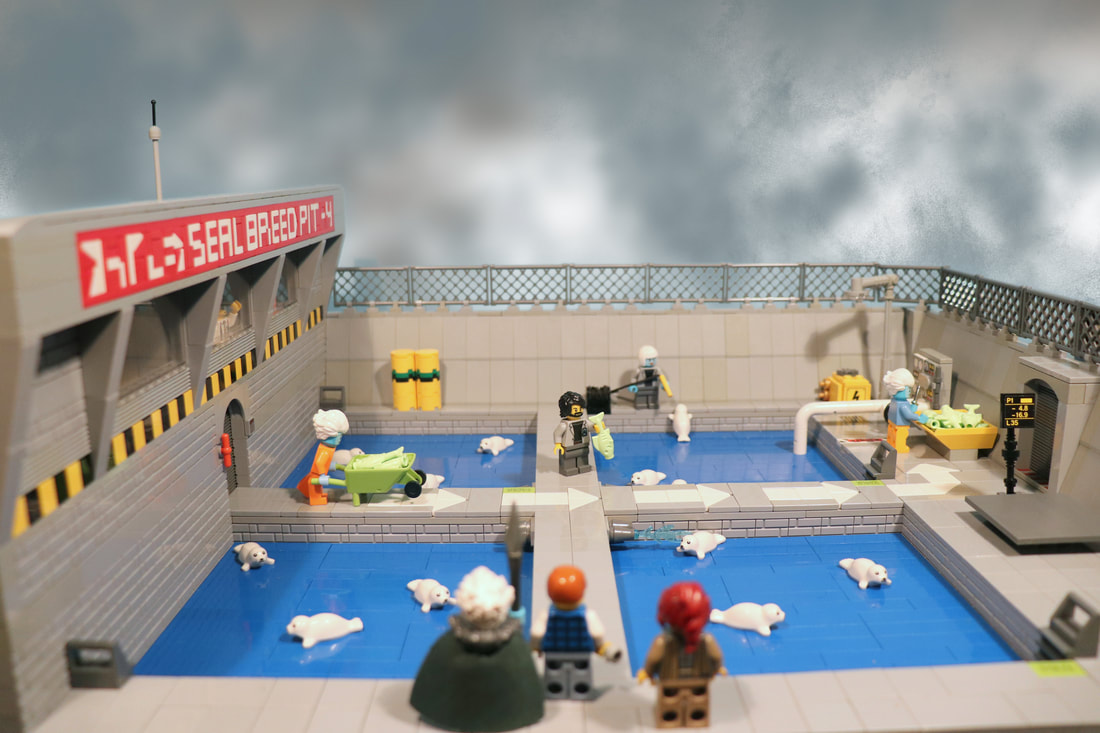
Erin: “Seal Breed Pit #4 is one of sixteen breeding facilities concentrated along Scoresby’s protected coastal zone. These pools replicate the shallow-water nurseries where Greater Phocian Seals naturally spend their juvenile stage. Historically, survival rates were extremely low. The pups were easy prey for other Phocian Seals. Only a small percentage of Greater pups survived long enough to develop their adult coats and migrate into deeper water. Since the breeding program began, predation has been eliminated, food availability is controlled, and juvenile survival has increased to nearly one hundred percent.”
Doog: “…”
Kor: “Oru don’t succumb to predation as juveniles anymore. Because they are raised in safe conditions, they get both bigger and stronger.”
Doog: “Ah.”
Doog: “…”
Kor: “Oru don’t succumb to predation as juveniles anymore. Because they are raised in safe conditions, they get both bigger and stronger.”
Doog: “Ah.”
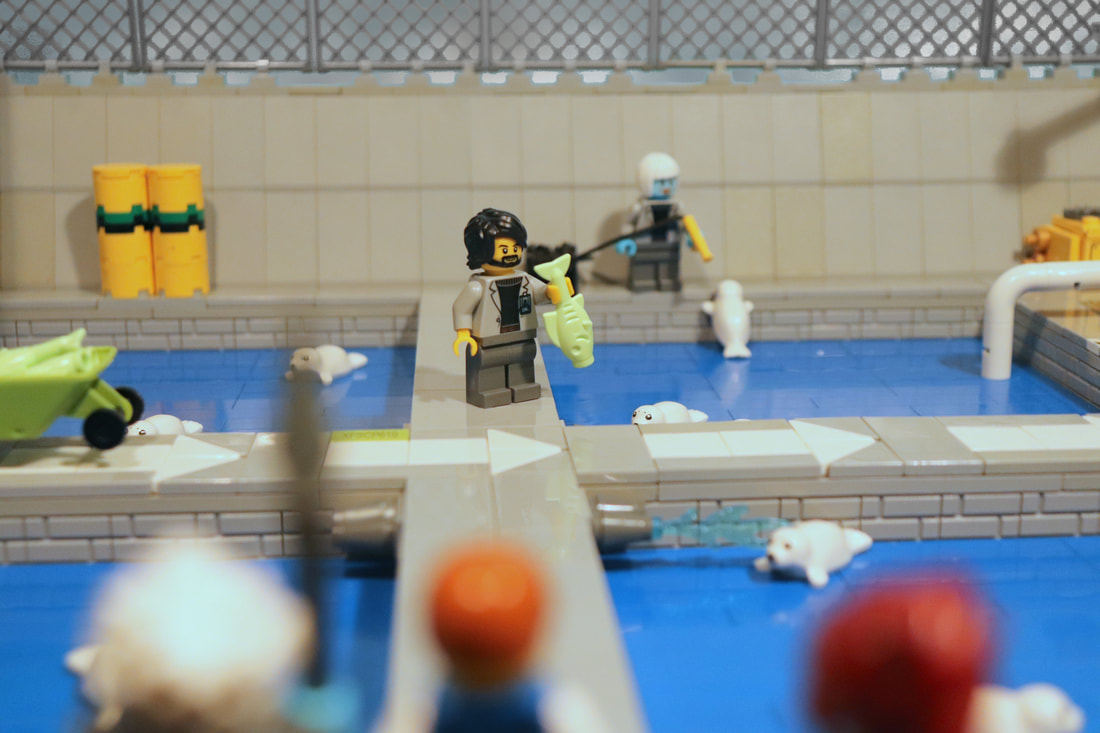
Erin: “Feeding is carefully controlled. Each pup receives a calculated ration based on age and body mass. We primarily use natural, locally caught fish. They're high in protein and supplemented with nutrients that accelerate healthy tissue development. We want every Greater pup to reach its maximum growth potential before it leaves the nursery.”
Doog: “…”
Kor: “Again, Oru get big. Don’t die.”
Doog: “…”
Kor: “Again, Oru get big. Don’t die.”
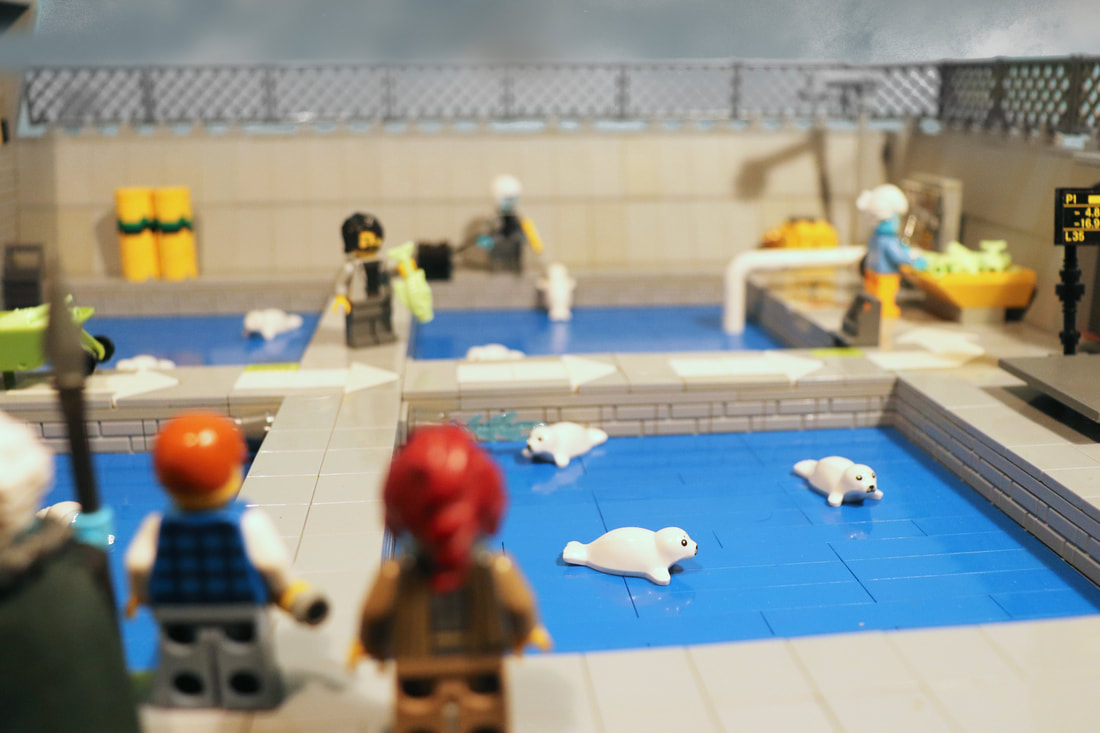
Erin: “Each pool houses no more than three Greater pups. They're grouped by age and body mass, so individuals with similar nutritional requirements can be managed together. Keeping the groups small also lets us monitor illness and behavioral abnormalities. The groupings are adjusted as needed.”
Doog: “…”
Kor: “I feel you are abusing my translations. That was easy to understand.”
Doog: “…”
Kor: “I feel you are abusing my translations. That was easy to understand.”
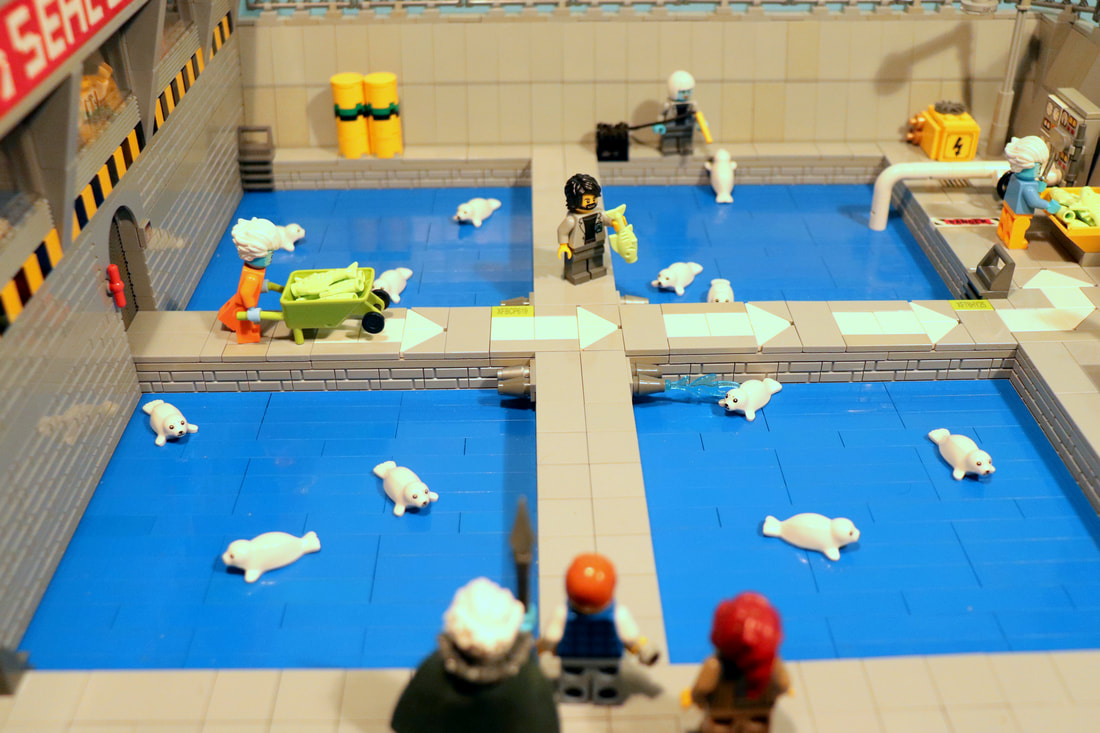
Erin: “Greater pups are naturally quite docile. They display very little territorial behavior and readily tolerate handling. Our breeding program has reinforced that disposition considerably. Regular feeding and daily contact with workers means most of them associate us with food and safety rather than danger.”
Doog: “Going Kor-less here, but you’re saying they like you?”
Erin: “Yes. They’re practically domesticated at this point.”
Doog: “Is that good?”
Kor: “Good for simplicity, nothing else.”
Doog: “What does that mean?”
Kor: “Hunts not as fun.”
Doog: “I might need an Erin translation now.”
Erin: “Greaters used to be a challenging hunt, especially fully grown individuals. Our farm-grown Greaters are…behaviorally habituated to bipeds. It has largely eliminated the defensive and avoidance behaviors traditionally associated with hunting them.”
Kor: “They just stand there.”
Erin: “Culturally bad, economically good.”
Doog: “Going Kor-less here, but you’re saying they like you?”
Erin: “Yes. They’re practically domesticated at this point.”
Doog: “Is that good?”
Kor: “Good for simplicity, nothing else.”
Doog: “What does that mean?”
Kor: “Hunts not as fun.”
Doog: “I might need an Erin translation now.”
Erin: “Greaters used to be a challenging hunt, especially fully grown individuals. Our farm-grown Greaters are…behaviorally habituated to bipeds. It has largely eliminated the defensive and avoidance behaviors traditionally associated with hunting them.”
Kor: “They just stand there.”
Erin: “Culturally bad, economically good.”
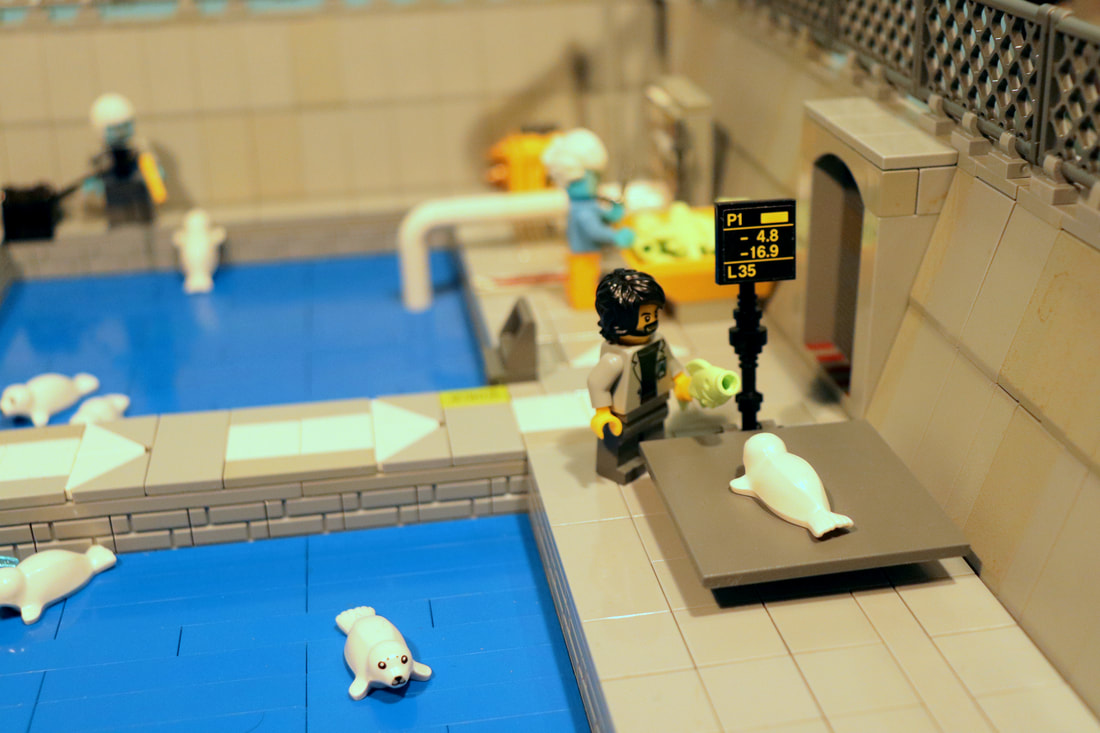
Erin: “Weight and body condition are monitored throughout the juvenile stage. Once a Greater reaches its target developmental index and begins transitioning into its adult coat, it's cleared to leave the nursery and enter open water.”
Doog: “How much bigger does it get?”
Erin: “Considerably.”
Kor: “Quite.”
Doog: “L35 is good or bad? What am I looking at?”
Erin: “This seal is from lot thirty-five. Mass is four point eight kilograms. Subject is sixteen point nine weeks old. Pool is number one.”
Doog: “For once, I understood an entire Erin explanation.”
Erin: “I’m improving.”
Kor: “Or he is.”
Doog: “How much bigger does it get?”
Erin: “Considerably.”
Kor: “Quite.”
Doog: “L35 is good or bad? What am I looking at?”
Erin: “This seal is from lot thirty-five. Mass is four point eight kilograms. Subject is sixteen point nine weeks old. Pool is number one.”
Doog: “For once, I understood an entire Erin explanation.”
Erin: “I’m improving.”
Kor: “Or he is.”
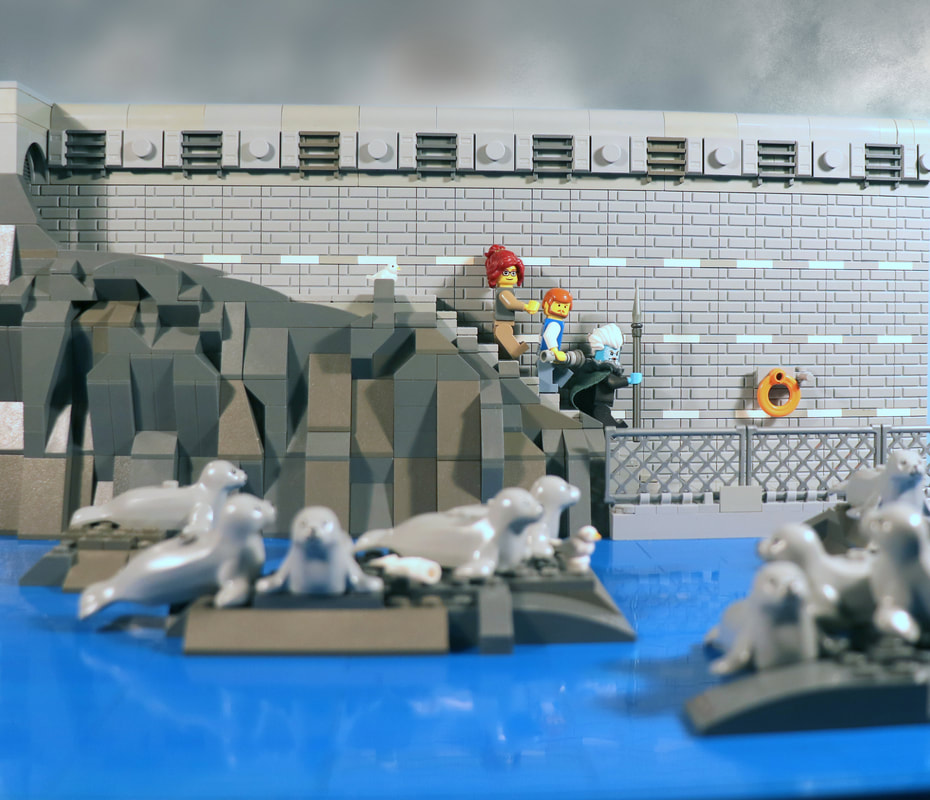
Erin: “This is the exact reason we raise Greaters in captivity. Phocian seals are super abundant near Oruva Island’s coast.”
Doog: “The LIU names are a bit confusing, Erin. So, there are normal seals and greater seals? Why the similar names?”
Erin: “Yes. They were named in order of discovery. Phocian Seals were more abundant and encountered first, so they received the original designation. When the larger species was documented later, ‘Greater’ was added to distinguish it. Renaming the original species afterward would have created unnecessary taxonomic confusion.”
Doog: “Oh, no…not taxonomic confusion! What about everyday usage confusion?!”
Kor: “Know what’s not confusing? Oru and Norlu. Can’t be confused.”
Erin: “Norlu is also your word for several subspecies of seal. If anything, it’s more confusing.”
Kor: “Norlu doesn’t mean seal at all. It means, ‘unimportant’. Other seals not important.”
Doog: “The LIU names are a bit confusing, Erin. So, there are normal seals and greater seals? Why the similar names?”
Erin: “Yes. They were named in order of discovery. Phocian Seals were more abundant and encountered first, so they received the original designation. When the larger species was documented later, ‘Greater’ was added to distinguish it. Renaming the original species afterward would have created unnecessary taxonomic confusion.”
Doog: “Oh, no…not taxonomic confusion! What about everyday usage confusion?!”
Kor: “Know what’s not confusing? Oru and Norlu. Can’t be confused.”
Erin: “Norlu is also your word for several subspecies of seal. If anything, it’s more confusing.”
Kor: “Norlu doesn’t mean seal at all. It means, ‘unimportant’. Other seals not important.”
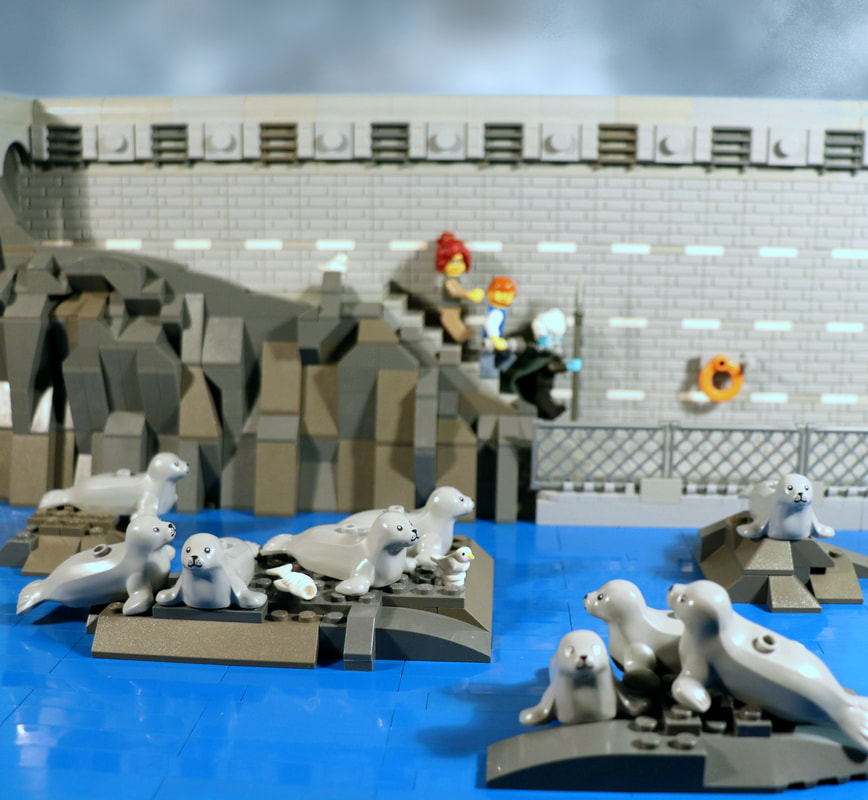
Erin: “That's an exceptionally poor basis for biological classification.”
Kor: “Are those Oru?”
Erin: “No.”
Kor: “Then unimportant.”
Erin: “Unimportant how? Your people still hunt them.”
Kor: “Norlu still wild. Still fear us. They are good for hunt. Lots of sport. Also, LIU likes us to hunt them, too. Less Norlu, safer Oru.”
Erin: “You wear their fur.”
Kor: “My people don’t have word for ‘ok fur, but otherwise unimportant’. Norlu still best option.”
Erin: “I see there’s no changing your mind, Kor.”
Doog: “You don’t eat them?”
Kor: “No. Oru taste much better. Even better now, after Erin’s nutritional science.”
Kor: “Are those Oru?”
Erin: “No.”
Kor: “Then unimportant.”
Erin: “Unimportant how? Your people still hunt them.”
Kor: “Norlu still wild. Still fear us. They are good for hunt. Lots of sport. Also, LIU likes us to hunt them, too. Less Norlu, safer Oru.”
Erin: “You wear their fur.”
Kor: “My people don’t have word for ‘ok fur, but otherwise unimportant’. Norlu still best option.”
Erin: “I see there’s no changing your mind, Kor.”
Doog: “You don’t eat them?”
Kor: “No. Oru taste much better. Even better now, after Erin’s nutritional science.”
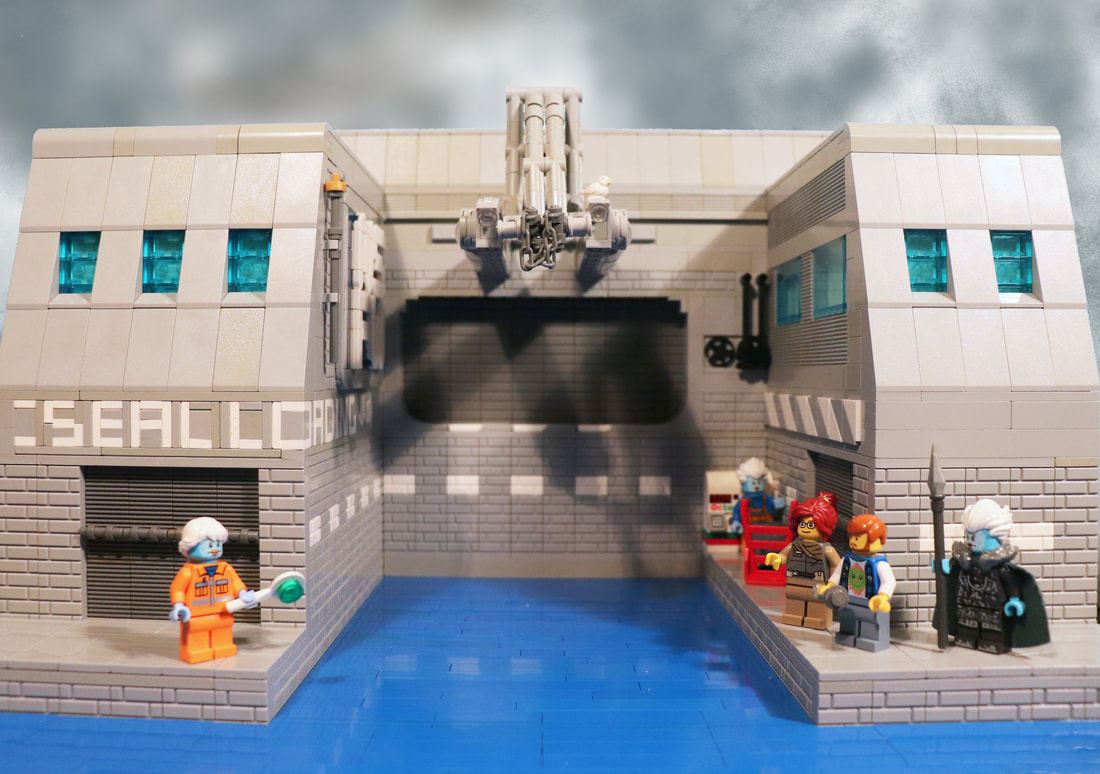
Erin: “This is one of Scoresby’s processing facilities. Greaters are hunted…”
Kor: “Not hunted…collected…”
Erin: “…collected and brought here for harvesting. We’ll take a look inside in a moment, but first, I think you need to see a fully grown Greater in the wild.”
Kor: “Not hunted…collected…”
Erin: “…collected and brought here for harvesting. We’ll take a look inside in a moment, but first, I think you need to see a fully grown Greater in the wild.”
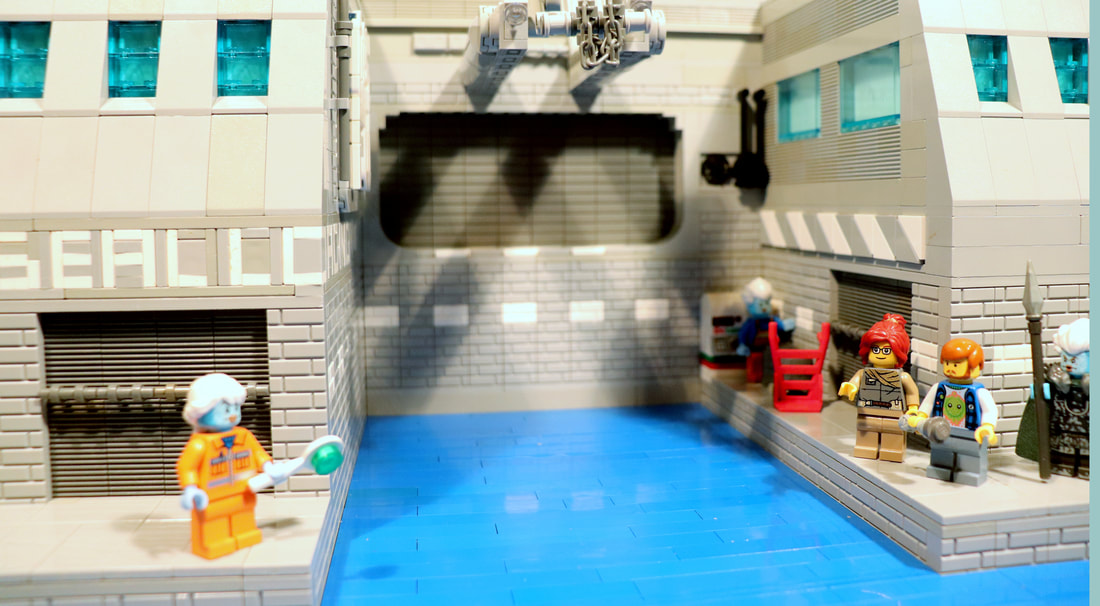
Doog: “Are you giving out binoculars or something? I don’t see anything.”
Erin: “There’s nothing to see, yet. We’re waiting for a boat.”
Erin: “There’s nothing to see, yet. We’re waiting for a boat.”
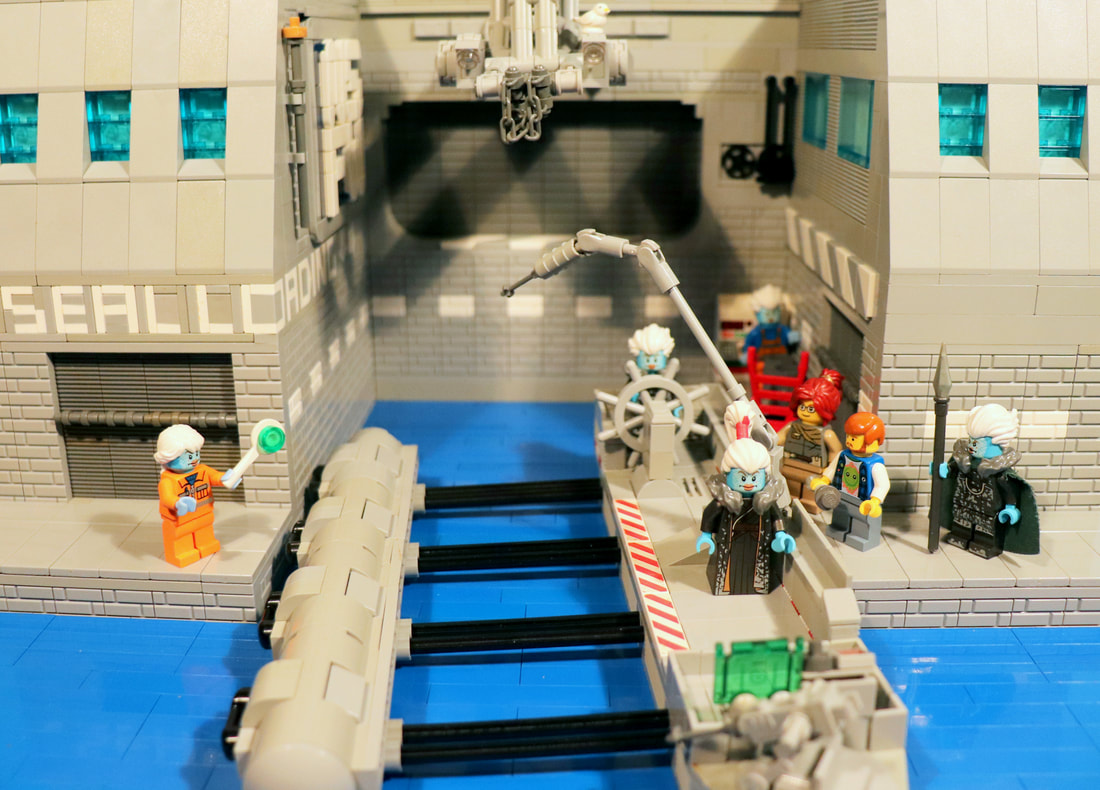
Doog: “Our ride’s finally here…and it’s smaller than I expected. What’s this?”
Erin: “I’ll defer to Kor on anything boat-related.”
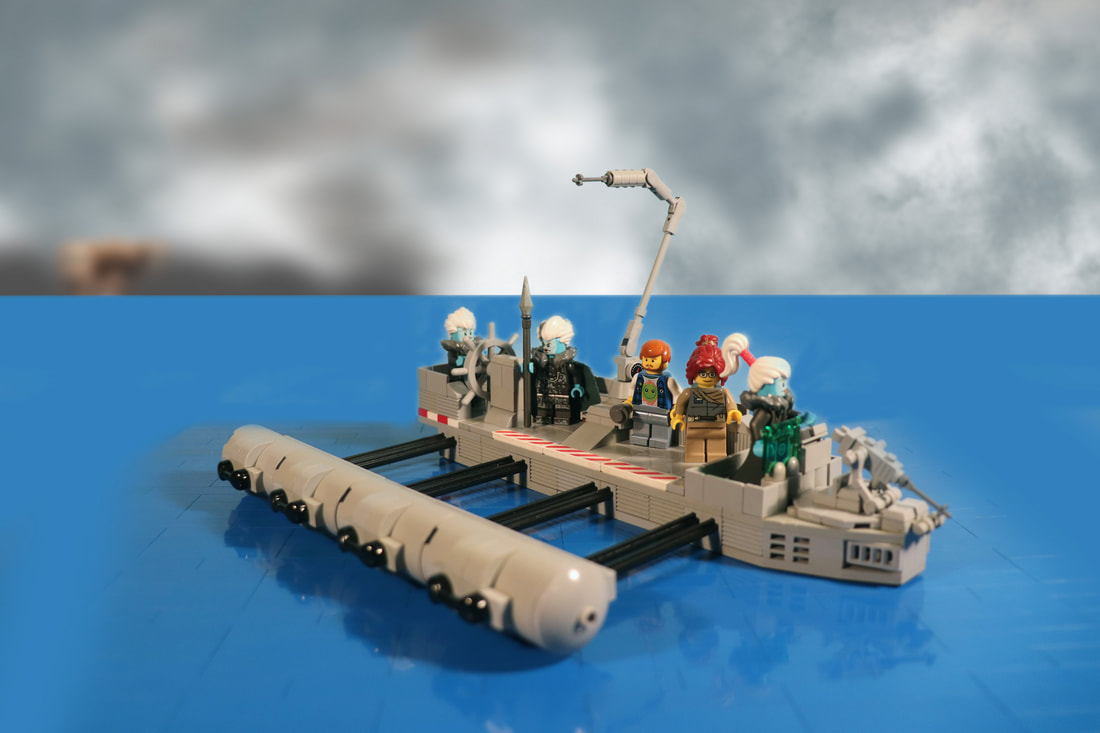
Kor: “LIU Thalassa-class vessel. Fancy, modernized version of our old seal boats. Faster. More durable. Less prone to capsizing. Much less thrilling than the old boats, for sure.”
Doog: “I’m onboard with most of that. I need a little less thrill in my life. I’m not too excited about the part we ride in, though. Why is it so skinny?”
Kor: “Not meant for much crew. Most of boat is Oru cradle.”
Doog: “An Oru rides in that center section?! I don’t like that.”
Kor: “Oru like puppies now. Don’t worry.”
Erin: “I’ve survived several hunting excursions with Kor.”
Kor: “Collection.”
Erin: “Collection excursions.”
Erin: “I’ll defer to Kor on anything boat-related.”
Kor: “LIU Thalassa-class vessel. Fancy, modernized version of our old seal boats. Faster. More durable. Less prone to capsizing. Much less thrilling than the old boats, for sure.”
Doog: “I’m onboard with most of that. I need a little less thrill in my life. I’m not too excited about the part we ride in, though. Why is it so skinny?”
Kor: “Not meant for much crew. Most of boat is Oru cradle.”
Doog: “An Oru rides in that center section?! I don’t like that.”
Kor: “Oru like puppies now. Don’t worry.”
Erin: “I’ve survived several hunting excursions with Kor.”
Kor: “Collection.”
Erin: “Collection excursions.”
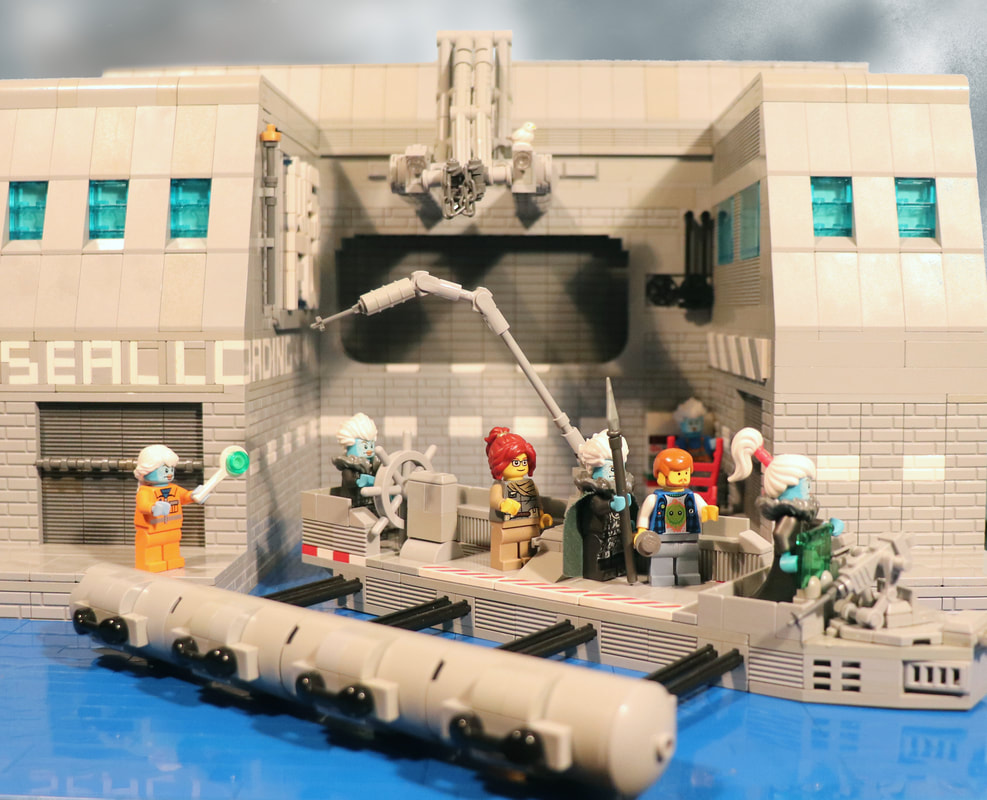
Doog: “Does any of the LIU modernization include lifejacket procedures or distribution?”
Kor: “You look like you’ll float just fine. No need.”
Doog: “Thanks Kor.”
Kor: “You look like you’ll float just fine. No need.”
Doog: “Thanks Kor.”
Kor: “Used to search the air for the Oru’s subtle scent. Listened for a faint splash or delicate vocalization. Now, we have the screen.”
Doog: “…”
Erin: “All the Greaters have embedded tracking chips. Their exact location can be triangulated within a meter or two.”
Doog: “I see.”
Kor: “This not a hunt.”
Doog: “It’s more like an Oru rideshare with pickup coordinates.”
Doog: “…”
Erin: “All the Greaters have embedded tracking chips. Their exact location can be triangulated within a meter or two.”
Doog: “I see.”
Kor: “This not a hunt.”
Doog: “It’s more like an Oru rideshare with pickup coordinates.”
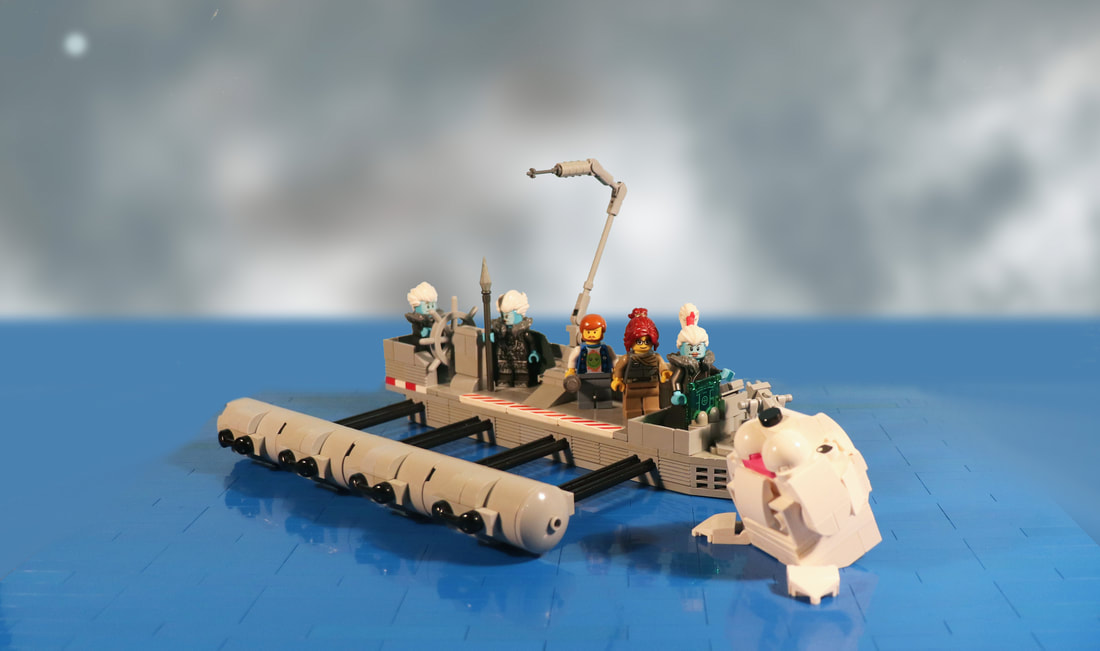
Kor: “Screen not even on yet. Oru arrives anyway. Such a challenge.”
Doog: “If that’s just the head, then this thing is much bigger than a pup. Now what? Do we stab it with a spear or harpoon or something?”
Ertin: “Nothing that violent. The meat and fur must not be damaged. The boat is armed with two high-voltage incapacitation prods capable of introducing a near-cataleptic state in the Greater.”
Doog: “What?”
Erin: “We knock it out.”
Kor: “Not needed. Oru will come into the cradle for chin scratches and treat. The thrill of the collection.”
Doog: “If that’s just the head, then this thing is much bigger than a pup. Now what? Do we stab it with a spear or harpoon or something?”
Ertin: “Nothing that violent. The meat and fur must not be damaged. The boat is armed with two high-voltage incapacitation prods capable of introducing a near-cataleptic state in the Greater.”
Doog: “What?”
Erin: “We knock it out.”
Kor: “Not needed. Oru will come into the cradle for chin scratches and treat. The thrill of the collection.”
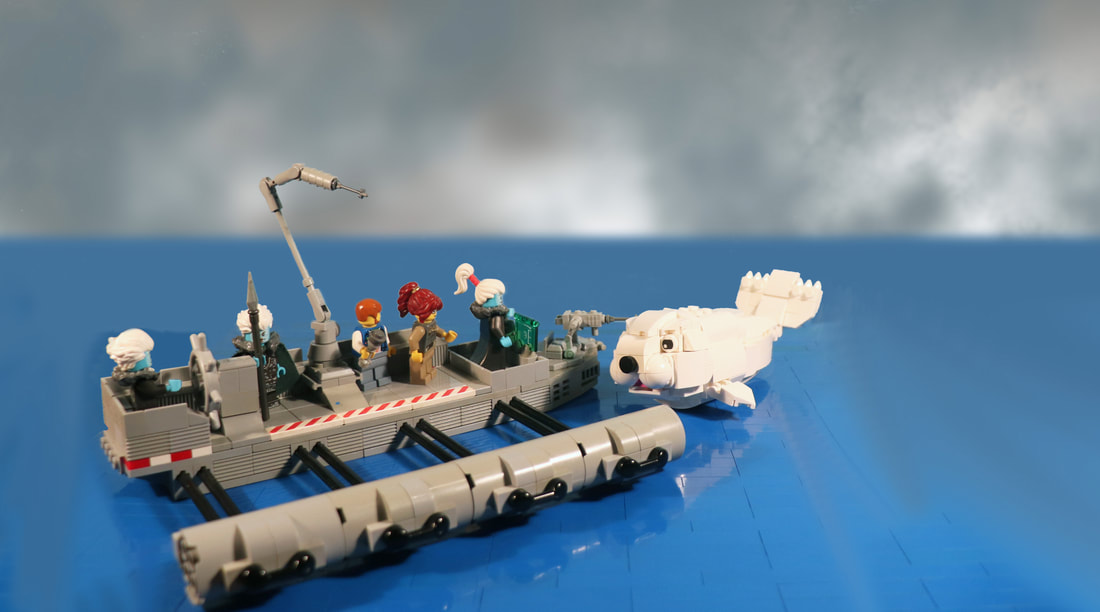
Erin: “You really should incapacitate it Kor. It makes the rest of the process much less traumatic.”
Kor: “Less work if it come onboard itself. Oru heavy. We knock it out after.”
Erin: “It’s not quite LIU procedure.”
Kor: “Please, Erin. Do the thing I hate.”
Erin: “Here boy! Come to me! Who’s a good boy?! Get up here and get some scratchers! Let me see that belly! Attaboy!”
Kor: “Erin useful. She has no hunting pride. I despise it appreciatively.”
Kor: “Less work if it come onboard itself. Oru heavy. We knock it out after.”
Erin: “It’s not quite LIU procedure.”
Kor: “Please, Erin. Do the thing I hate.”
Erin: “Here boy! Come to me! Who’s a good boy?! Get up here and get some scratchers! Let me see that belly! Attaboy!”
Kor: “Erin useful. She has no hunting pride. I despise it appreciatively.”
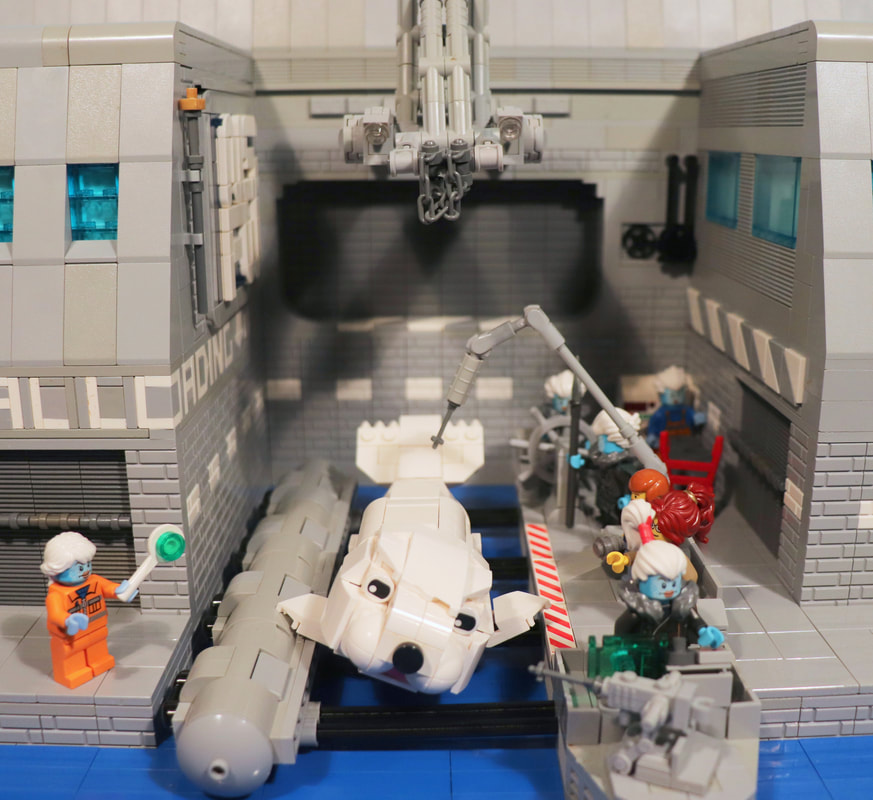
Erin: “We need to incapacitate it, Kor. Loading it onto the crane fully conscious would cause unnecessary distress.”
Kor: “Agree. Words must be spoken, first.”
Erin: “Ah, yes. I forgot.”
Kor: “Oru, we thank you. Your flesh feeds us. Your strength made us strong. Nothing you give will be wasted. Go peacefully.”
SHOCK
Doog: “You still say that?”
Kor: “Always.”
Doog: “Even if it’s not a real hunt?”
Kor: “Not Oru’s fault. Oru did not change of its own accord. LIU changed Oru. Still must respect.”
Kor: “Agree. Words must be spoken, first.”
Erin: “Ah, yes. I forgot.”
Kor: “Oru, we thank you. Your flesh feeds us. Your strength made us strong. Nothing you give will be wasted. Go peacefully.”
SHOCK
Doog: “You still say that?”
Kor: “Always.”
Doog: “Even if it’s not a real hunt?”
Kor: “Not Oru’s fault. Oru did not change of its own accord. LIU changed Oru. Still must respect.”
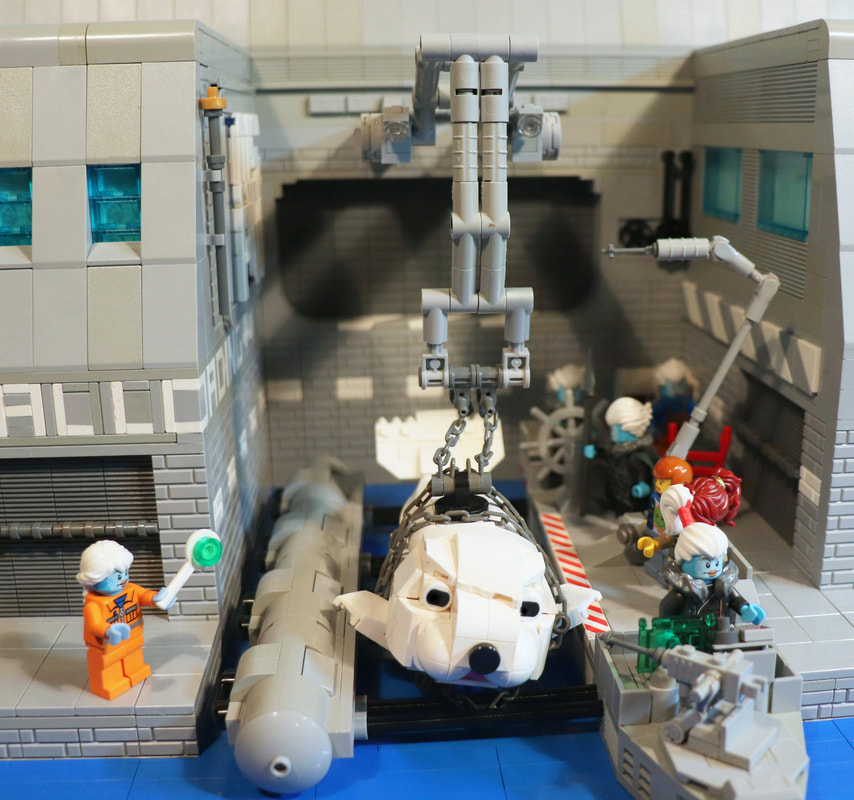
Worker: “It’s chained. Begin lift procedure.”
Doog: “Why are they lifting it onto the second floor?”
Erin: “The receiving bay is elevated intentionally. A fully grown Greater is extremely heavy, so once the dock crane has lifted one from the vessel, there's little reason to lower that mass again just to move it through the factory. Primary processing begins on the second floor. As the animal is separated, individual materials can be transferred downward by gravity to specialized processing areas.”
Doog: “Kor, help me out.”
Kor: “Lift whole Oru once. Little Oru pieces go down. Erin efficiency optimization.”
Doog: “Why are they lifting it onto the second floor?”
Erin: “The receiving bay is elevated intentionally. A fully grown Greater is extremely heavy, so once the dock crane has lifted one from the vessel, there's little reason to lower that mass again just to move it through the factory. Primary processing begins on the second floor. As the animal is separated, individual materials can be transferred downward by gravity to specialized processing areas.”
Doog: “Kor, help me out.”
Kor: “Lift whole Oru once. Little Oru pieces go down. Erin efficiency optimization.”
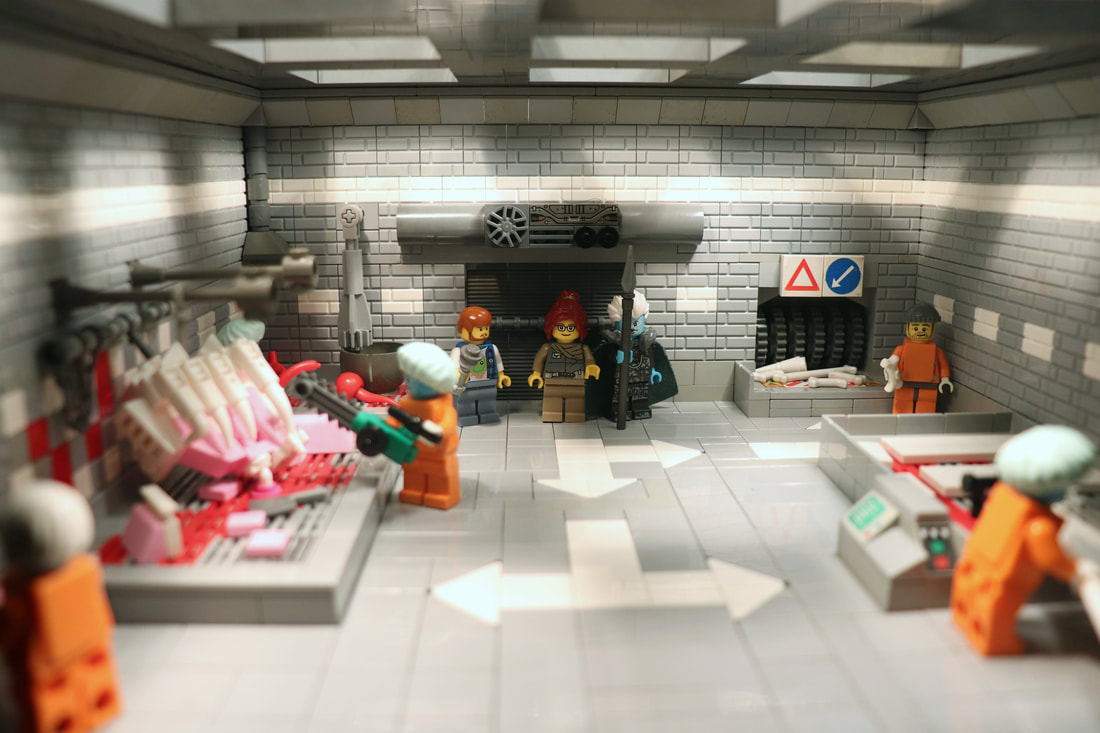
Erin: “We’re starting at ground floor, so some major developments have already occurred. The Greater has been dispatched humanely and quartered. The quarters have been lowered and are actively being harvested. Organs and lesser flesh are processed to our immediate right. They’re ground into ‘fish feed’, helping to revitalize our fish stocks. Bones and cartilage are pulverized to our left, and turned into supplements for our current Greater stock.”
Kor: “Great semi-circle of life.”
Kor: “Great semi-circle of life.”
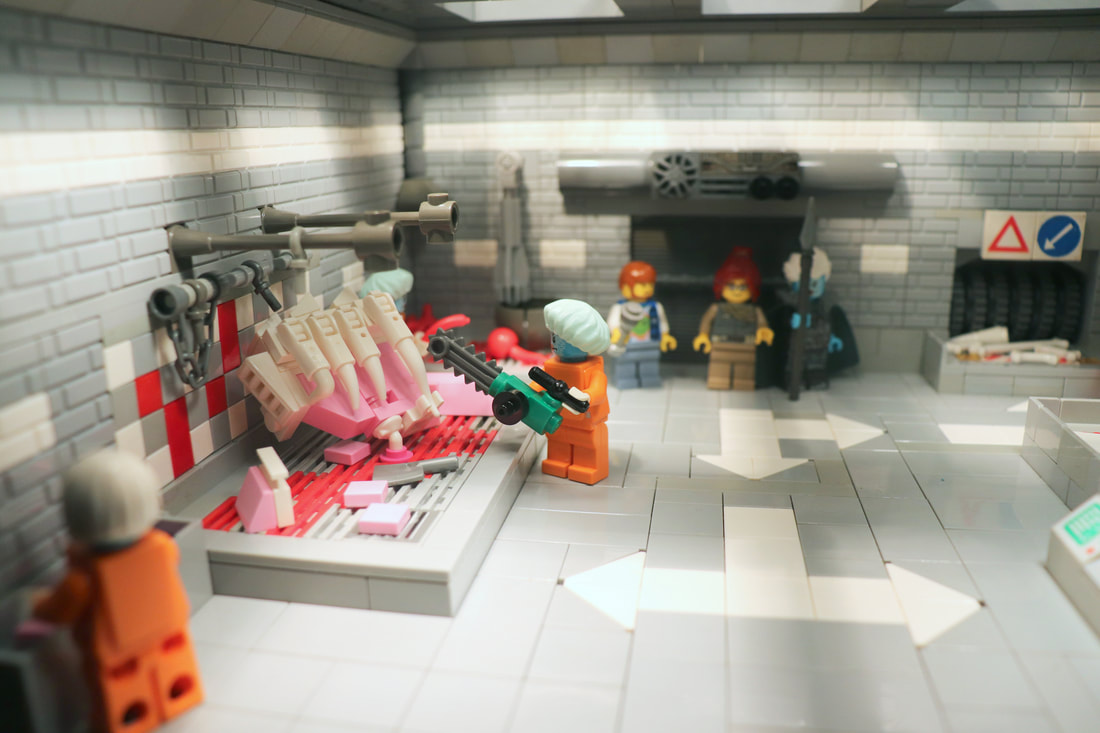
Erin: “Greater meat is separated from the bone in this station. A typical Greater yields around five hundred kilograms of meat. Enough to sustain a Phocian family for months. Given our current processing rate, this facility produces approximately ten metric tons of edible Greater meat every day.”
Kor: “We’re never hungry. We are sad, though. Erin calls us Phocian, not Greater or Greatest.”
Erin: “LIU nomenclature!”
Kor: “We’re never hungry. We are sad, though. Erin calls us Phocian, not Greater or Greatest.”
Erin: “LIU nomenclature!”
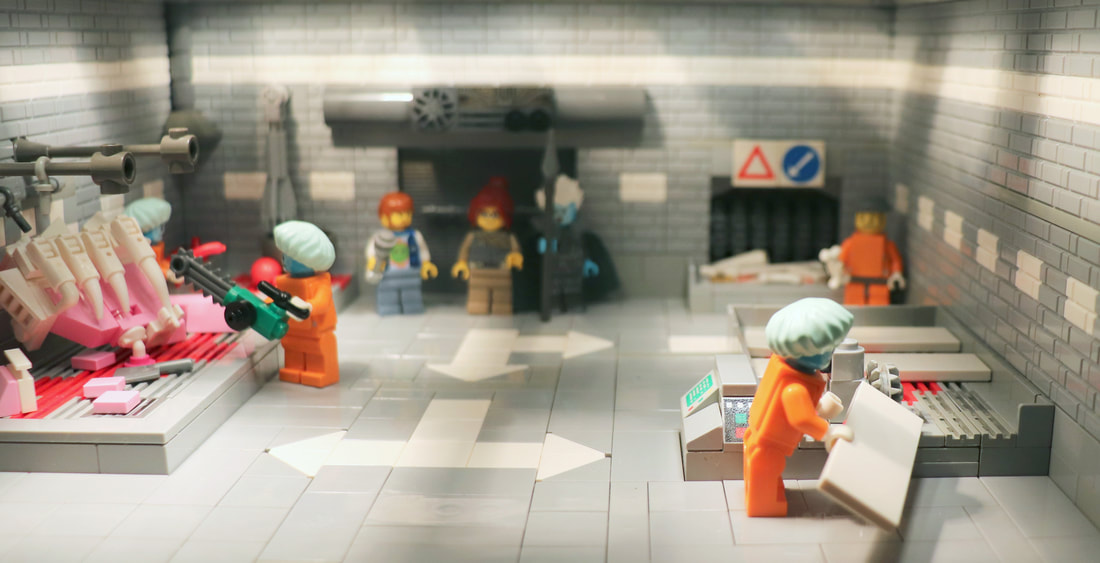
Erin: “In all our exposition, we’ve neglected the most important part of the Greater – its fur. Its dense, insulating coat is one of Phocis’ major exports.”
Doog: “All this for some fur coats?”
Kor: “No.”
Doog: “Sweaters?”
Kor: “No.”
Erin: “Greater fur has an unusually fine and uniform fiber structure. Each strand is extremely soft, but also remarkably resistant to compression and abrasion. That makes the fur exceptionally useful for polishing sensitive instruments.”
Doog: “Wait, the LIU wants the fur for polishing things?”
Erin: “Yes, specifically advanced optical lenses and sensors.”
Doog: “Weird.”
Erin: “Polishing pads don’t function when there’s flesh still attached, so this last station to your left de-fleshes the hide, removing any remaining tissue.”
Kor: “This room makes me hungry.”
Doog: “All this for some fur coats?”
Kor: “No.”
Doog: “Sweaters?”
Kor: “No.”
Erin: “Greater fur has an unusually fine and uniform fiber structure. Each strand is extremely soft, but also remarkably resistant to compression and abrasion. That makes the fur exceptionally useful for polishing sensitive instruments.”
Doog: “Wait, the LIU wants the fur for polishing things?”
Erin: “Yes, specifically advanced optical lenses and sensors.”
Doog: “Weird.”
Erin: “Polishing pads don’t function when there’s flesh still attached, so this last station to your left de-fleshes the hide, removing any remaining tissue.”
Kor: “This room makes me hungry.”
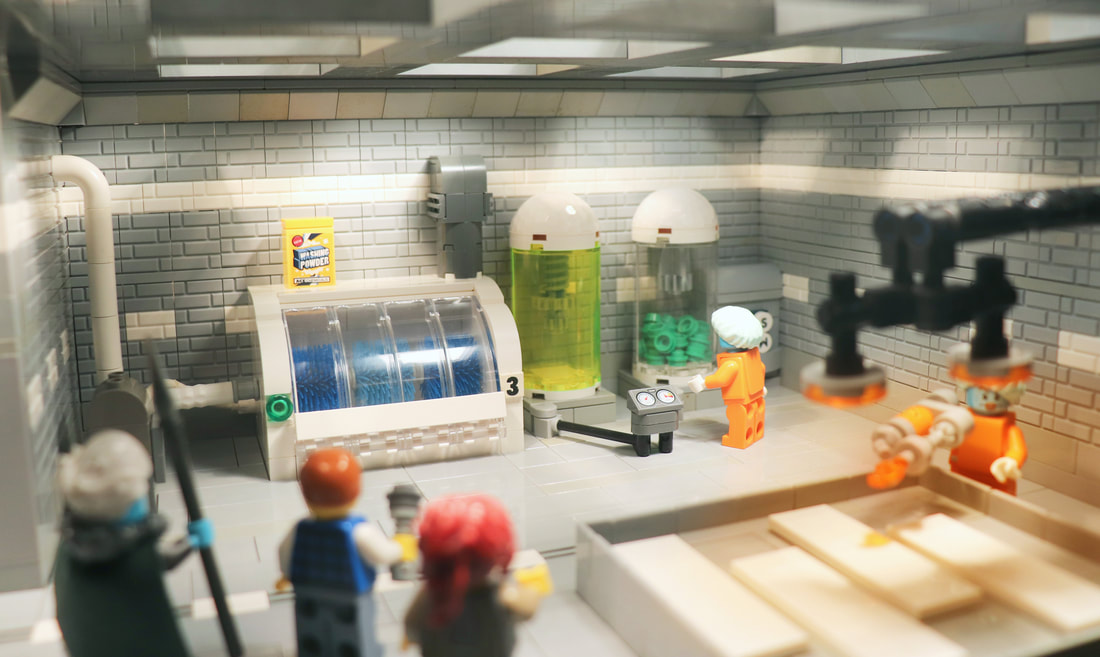
Erin: “Once de-fleshed, the hides are transferred to this aqueous fiber-conditioning unit. The rotating drum uses temperature-controlled water, specialized detergents, and mechanical agitation to remove residual oils, biological contaminants, and particulate matter from the fur while preserving the integrity of the individual fibers.”
Doog: “…”
Kor: “It’s a washing machine.”
Erin: “It’s a little more complicated than…”
Kor: “Is it machine? Does it wash?”
Erin: “Well, yeah. But…”
Kor: “Washing machine.”
Doog: “I think I’m with Kor. Looks and sounds suspiciously like a washing machine.”
Doog: “…”
Kor: “It’s a washing machine.”
Erin: “It’s a little more complicated than…”
Kor: “Is it machine? Does it wash?”
Erin: “Well, yeah. But…”
Kor: “Washing machine.”
Doog: “I think I’m with Kor. Looks and sounds suspiciously like a washing machine.”
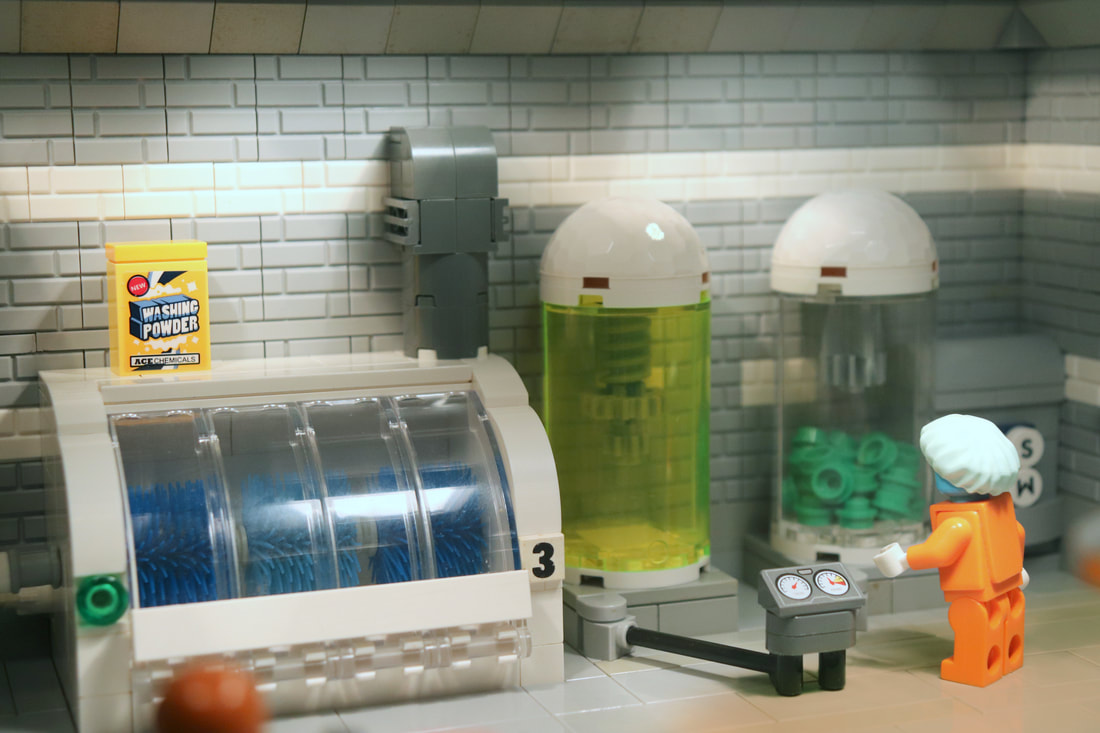
Doog: “There’s even a box of washing powder on top.”
Erin: “Sigh. Can we at least agree that it’s a fancy washing machine?”
Kor: “Agree, Erin.”
Erin: “Sigh. Can we at least agree that it’s a fancy washing machine?”
Kor: “Agree, Erin.”
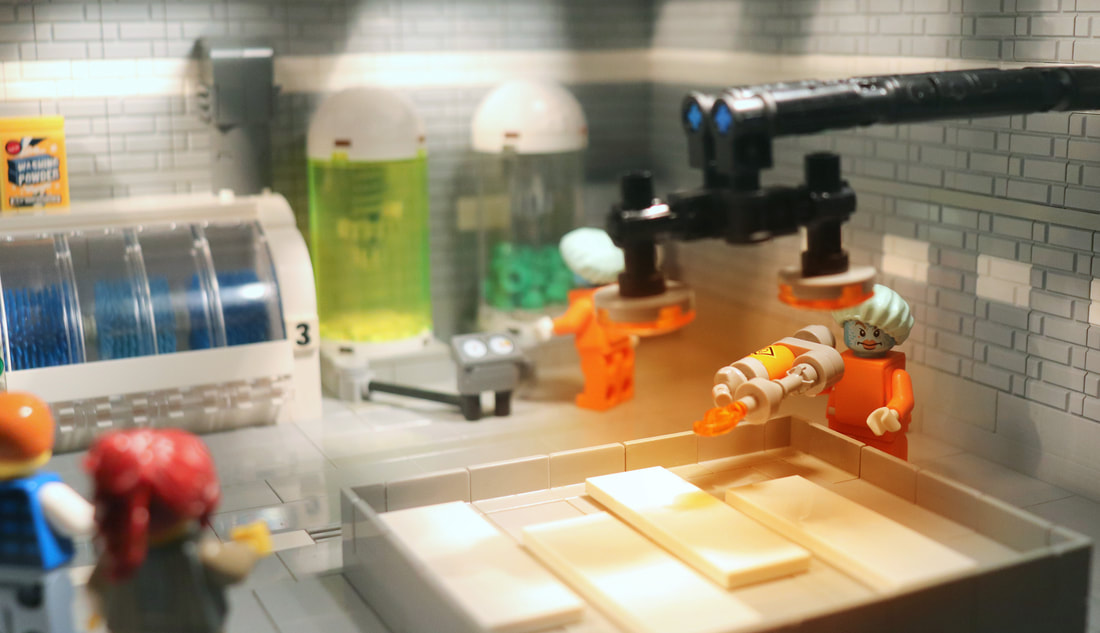
Erin: “Here, under special dehydration lights, the fur…”
Kor: “Dryer.”
Erin: “Dryer.”
Kor: “Dryer.”
Erin: “Dryer.”
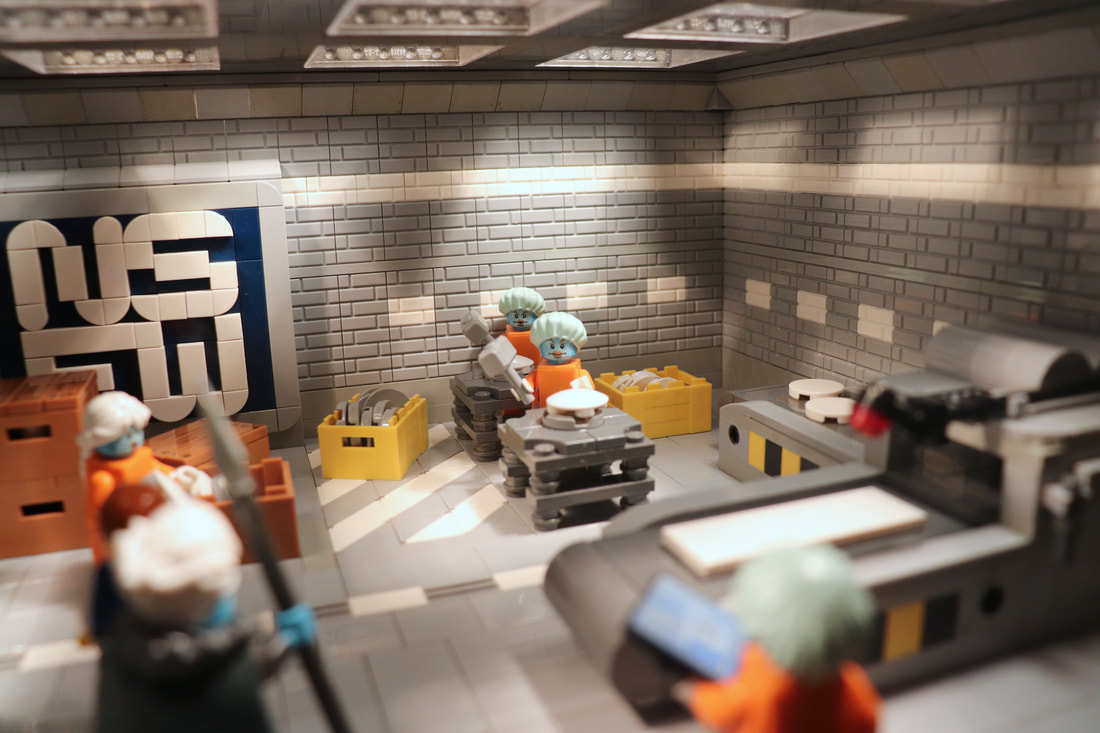
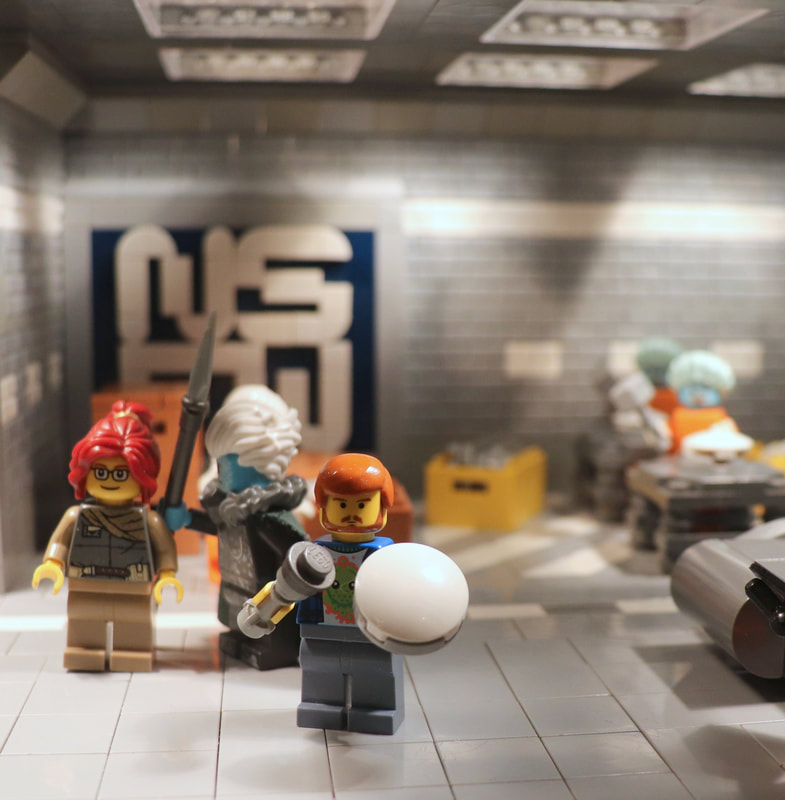
Doog: “Am I allowed to show this on TV?”
Erin: “You filmed seal ribs getting deboned with a chainsaw a minute ago. I think this is fine.”
Doog: “What’s up with the NSFW sign, then?”
Erin: “Northern Scoresby Fur Works. It’s the name of the company we’re touring.”
Doog: “Ah. Just making sure something inappropriate wasn’t getting polished in here.”
Kor: “…”
Erin: “You don’t want to know.”
Erin: “You filmed seal ribs getting deboned with a chainsaw a minute ago. I think this is fine.”
Doog: “What’s up with the NSFW sign, then?”
Erin: “Northern Scoresby Fur Works. It’s the name of the company we’re touring.”
Doog: “Ah. Just making sure something inappropriate wasn’t getting polished in here.”
Kor: “…”
Erin: “You don’t want to know.”
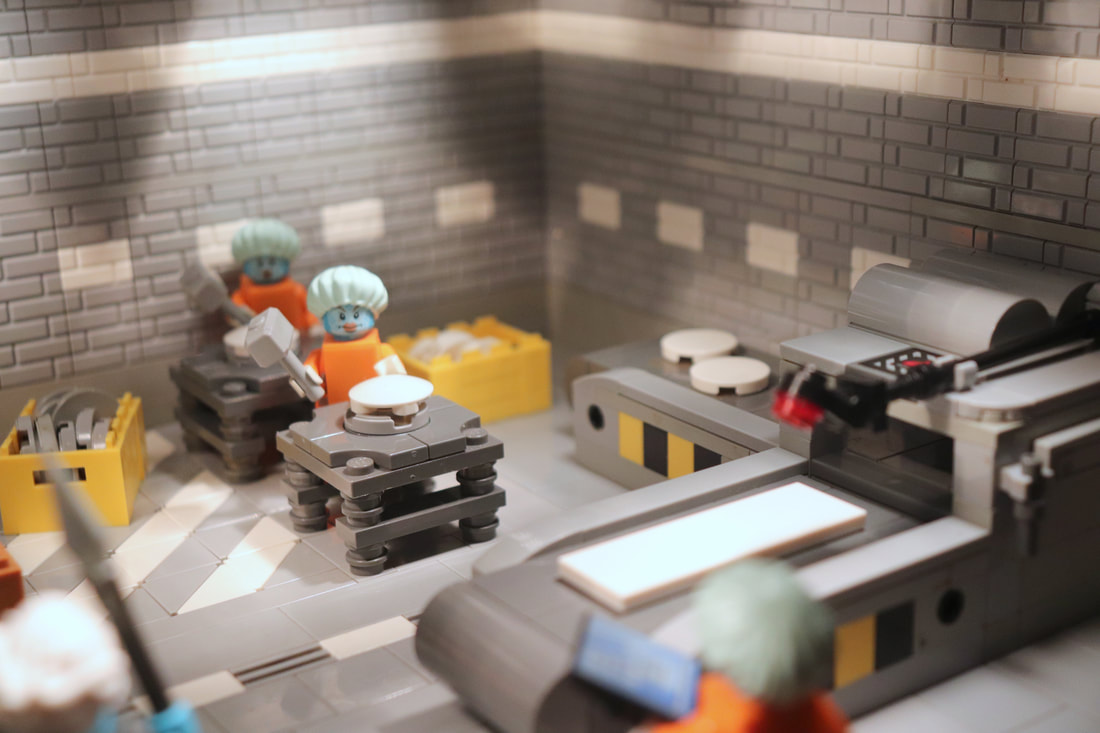
Erin: “This is a cutting machine. It turns the fur strips into round pads.”
Kor: “That was short. You sound defeated.”
Erin: “Not defeated. I’ve just learned my lesson. You guys don’t want the fancy explanations.”
Kor: “Don’t give up, Erin.”
Doog: “The show’s almost over, might as well give it one last go. Besides, I feel smarter when you rattle off all that science stuff.”
Erin: “Really?”
Kor: “Don’t change like Oru. Stay Erin.”
Kor: “That was short. You sound defeated.”
Erin: “Not defeated. I’ve just learned my lesson. You guys don’t want the fancy explanations.”
Kor: “Don’t give up, Erin.”
Doog: “The show’s almost over, might as well give it one last go. Besides, I feel smarter when you rattle off all that science stuff.”
Erin: “Really?”
Kor: “Don’t change like Oru. Stay Erin.”
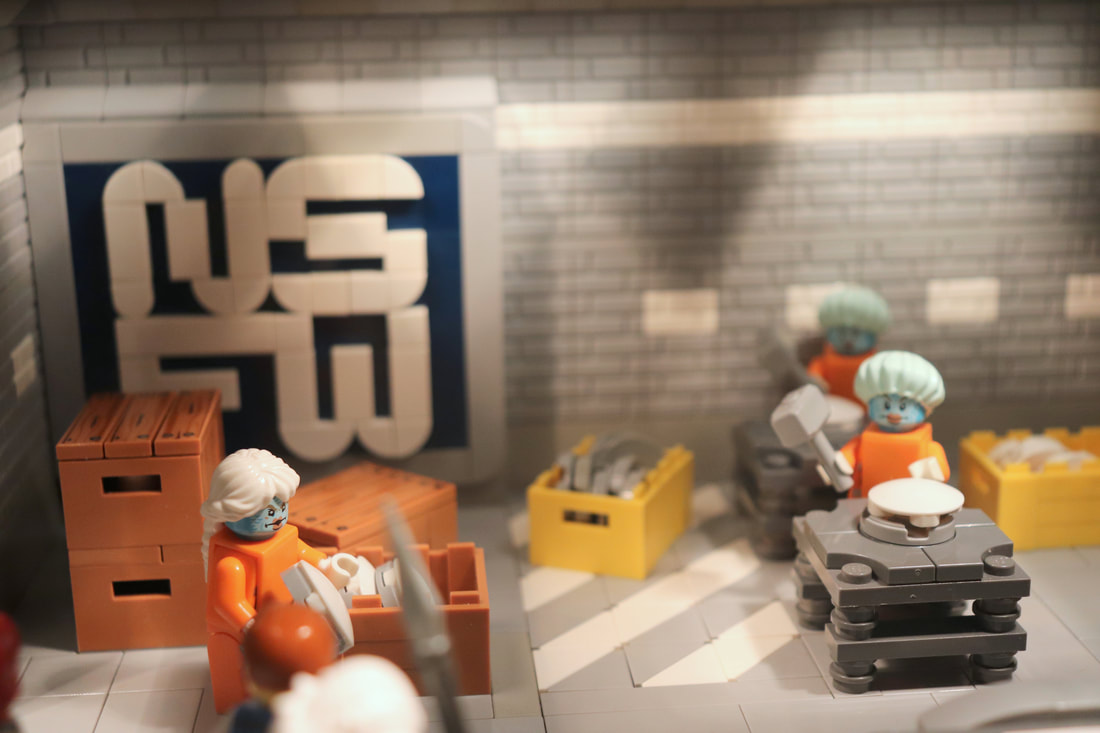
Erin: “I’m glad you said that, because this is way cooler than a cutting machine. Each cleaned and dried hide is optically scanned to map fiber density, thickness, orientation, and any remaining imperfections. The system then calculates an optimal cutting pattern that maximizes usable surface area while ensuring every pad meets minimum uniformity standards. Individual pads are precision-cut from the hide and automatically sorted by grade.
From there, the pads are bonded to standardized backing discs. Those discs can be mounted directly onto rotary polishing equipment, where the Greater fur creates an extremely uniform contact surface while trapping microscopic debris rather than dragging it across the optic. Different grades are used for different polishing stages, from initial surface finishing all the way down to final optical refinement.
Finished discs are inspected for fiber consistency, shedding, balance, and surface defects. Anything outside specification is rejected and recycled into lower-grade industrial abrasives. Approved pads are stacked by grade, sealed in contamination-resistant packaging, boxed into standardized lots, and transferred to shipping.
Northern Scoresby Fur Works produces approximately 1,750 finished polishing pads a day. They’re shipped out daily to precision manufacturing facilities across the LIU. They are used to manufacture telescope arrays, navigation sensors, imaging systems, scientific instruments, and hundreds of other products. So, when you really think about it, a surprisingly large portion of the galaxy sees clearly because of seal fur.”
Doog: “I do feel smarter.”
Kor: “There she is.”
Erin: “Thank you.”
From there, the pads are bonded to standardized backing discs. Those discs can be mounted directly onto rotary polishing equipment, where the Greater fur creates an extremely uniform contact surface while trapping microscopic debris rather than dragging it across the optic. Different grades are used for different polishing stages, from initial surface finishing all the way down to final optical refinement.
Finished discs are inspected for fiber consistency, shedding, balance, and surface defects. Anything outside specification is rejected and recycled into lower-grade industrial abrasives. Approved pads are stacked by grade, sealed in contamination-resistant packaging, boxed into standardized lots, and transferred to shipping.
Northern Scoresby Fur Works produces approximately 1,750 finished polishing pads a day. They’re shipped out daily to precision manufacturing facilities across the LIU. They are used to manufacture telescope arrays, navigation sensors, imaging systems, scientific instruments, and hundreds of other products. So, when you really think about it, a surprisingly large portion of the galaxy sees clearly because of seal fur.”
Doog: “I do feel smarter.”
Kor: “There she is.”
Erin: “Thank you.”
Doog: “Well folks, that’s Phocis. I’m going to try to sum this up in the style of Kor. Planet has seals. Seals have good fur. Fur becomes polishing pads. Pads make optics.”
Kor: “Approve.”
Doog: “Oh well, see ya!”
Note: There are 6 companies in the LIU Galaxy with the acronym NSFW:
-Northern Scoresby Fur Works (Fur Polishing Pads)
-Nine Stars / Four Worlds (Cargo Transport Company)
-Nova Seed & Farming Wholesale (Agricultural Supplies)
-Nomo Slag Freight & Warehousing (Bulk Ore Transporter)
-Nanoscale Surveying Firm(w)are (Software Developer)
-Now Safe For Work (Safety Equipment Manufacturer)
None are directly affiliated.
Kor: “Approve.”
Doog: “Oh well, see ya!”
Note: There are 6 companies in the LIU Galaxy with the acronym NSFW:
-Northern Scoresby Fur Works (Fur Polishing Pads)
-Nine Stars / Four Worlds (Cargo Transport Company)
-Nova Seed & Farming Wholesale (Agricultural Supplies)
-Nomo Slag Freight & Warehousing (Bulk Ore Transporter)
-Nanoscale Surveying Firm(w)are (Software Developer)
-Now Safe For Work (Safety Equipment Manufacturer)
None are directly affiliated.
CLICK HERE FOR NEXT EPISODE - Season 18 - Episode 9 - Coming Soon

